 Find a center
 (661) 762-5816
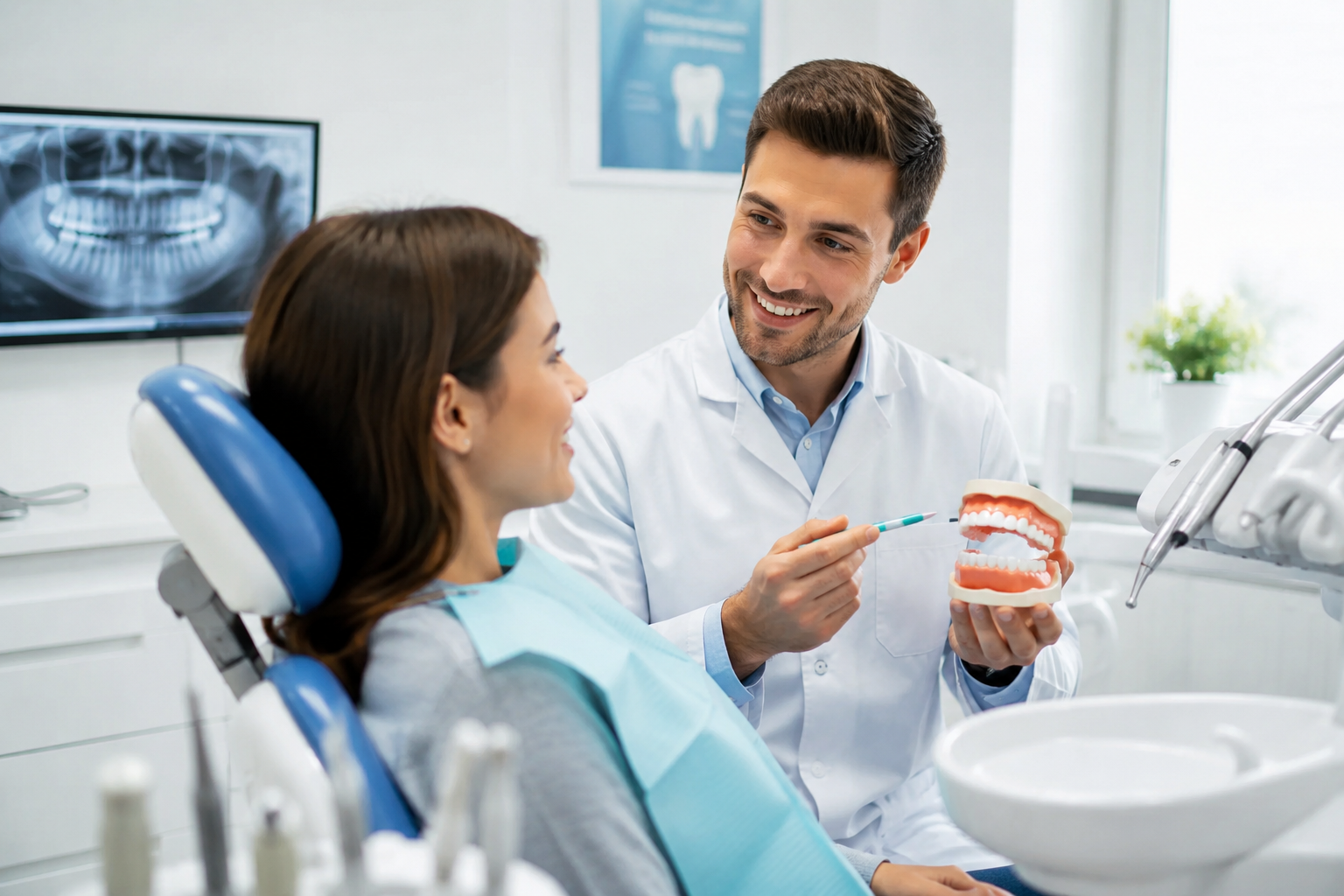
You’ll find affordable dental care in Palmdale by knowing where to look and what options fit your budget and needs. Many local clinics, community programs, and flexible payment plans make quality dental care accessible without sacrificing comfort or modern treatment. This article maps practical ways to lower costs, from preventive steps that reduce future bills to community-based clinics and financing choices that spread payments.
A friendly neighborhood dental expert explains how to compare local providers, ask the right questions, and prioritize treatments that protect long-term oral health. Expect clear, actionable tips and reassurance so you can take confident next steps toward care that fits both your smile and your wallet.
Understanding Dental Costs
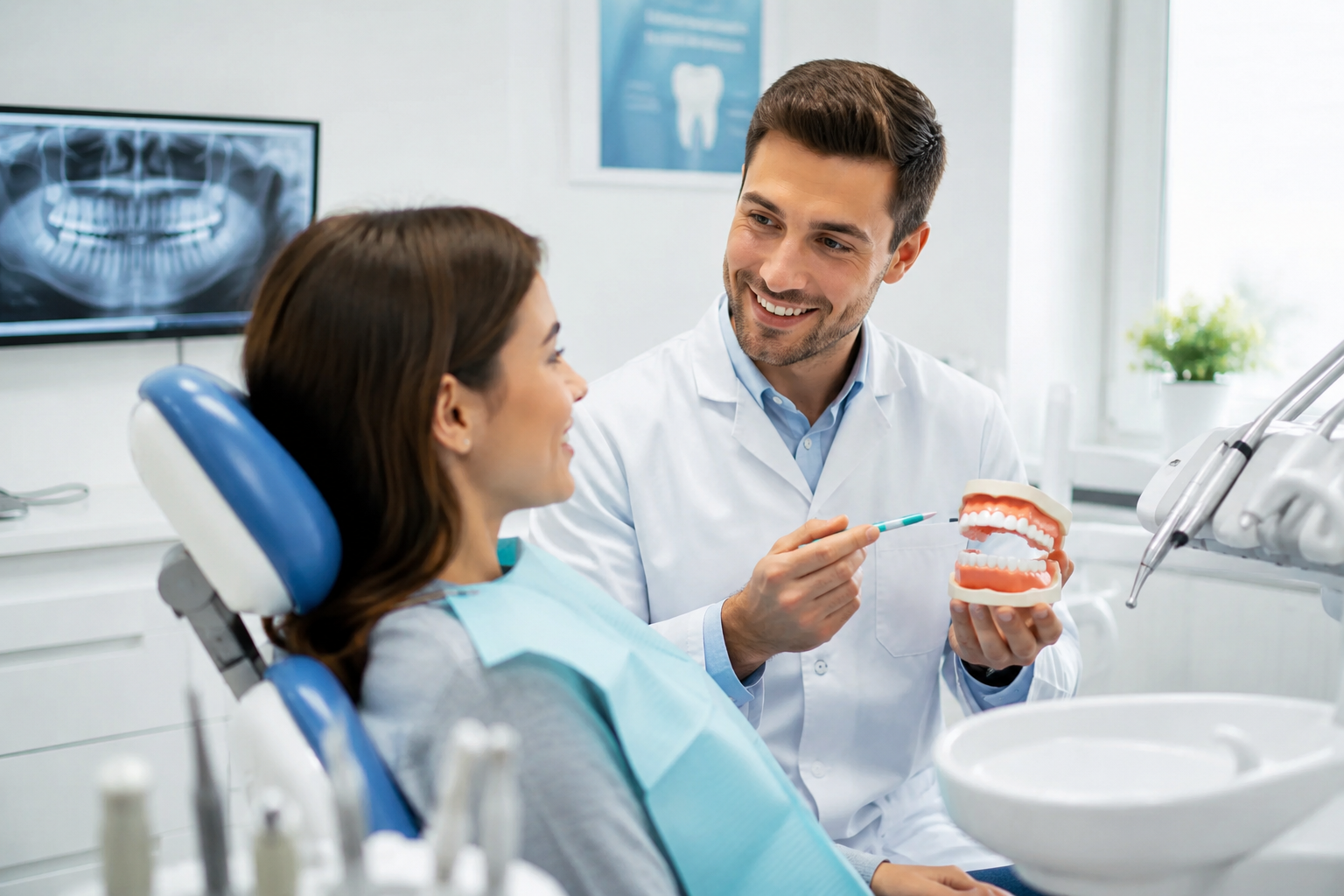
Dental care expenses vary by procedure, insurance coverages, and patient-specific needs. Clear examples of common fees, typical insurance contributions, and the factors that change pricing help patients plan visits and avoid surprises.
Typical Expenses for Common Procedures
Patients in Palmdale can expect routine cleaning (prophylaxis) to cost about $75–$150 without insurance. An exam with X-rays typically ranges $50–$200 depending on the number and type of X-rays (bitewing vs. panoramic).
Filling costs depend on material and tooth location: amalgam fillings usually run $80–$200, while composite (tooth‑colored) fillings often cost $150–$400. Simple extractions commonly cost $75–$300; surgical extractions are higher, often $200–$600. Root canal therapy varies by tooth: $300–$1,000 for front teeth, $600–$1,500 for molars.
Crowns range from $800–$2,000 per tooth based on material (porcelain-fused-to-metal vs. all-ceramic). Dental implants, including implant placement and crown, commonly total $2,000–$5,000. Dentures: partial dentures run $600–$1,500; full dentures $1,000–$3,000. Cosmetic services like veneers often cost $800–$2,500 per tooth.
Insurance and Payment Considerations
Many PPO dental plans cover 80–100% of preventive care (cleanings, exams) but only 50–80% of basic procedures after a deductible. Major procedures such as crowns, bridges, and implants often face a 50% coverage limit and may fall under annual maximums of $1,000–$2,000.
Patients should confirm annual maximums, deductibles, and waiting periods before treatment. Flexible Spending Accounts (FSA) and Health Savings Accounts (HSA) can apply to eligible dental procedures, reducing out‑of‑pocket costs. Some clinics offer in-house financing, interest-free plans, or third-party payment options that spread costs over months.
Verify coverage for specific codes (CDT codes) and ask the clinic to submit a pre-treatment estimate. Pre-authorization helps avoid surprise bills and clarifies patient responsibility up front.
Factors That Affect Treatment Pricing
Geographic location and local overhead influence fees; Palmdale practices may price differently than nearby cities due to rent, staff wages, and supply costs. The provider’s experience and specialization also affect pricing—specialists (endodontists, periodontists) typically charge more than general dentists for comparable procedures.
Complexity of the case alters costs: extensive decay, bone loss, or need for sedation raises fees. Materials and lab work quality matter—higher-end ceramics or custom-milled restorations increase prices. Technology use (CBCT scans, digital impressions, CAD/CAM same-day crowns) can raise costs but often reduce appointment time and improve outcomes.
Patient-specific factors such as medical history, age, and oral hygiene influence recommended treatment scope and frequency. Requesting an itemized estimate and asking about alternatives (e.g., removable partial vs. fixed bridge) helps patients compare value and make informed decisions.
Local Options for Savings
Local resources can reduce out-of-pocket costs through community clinics, program-based discounts, and income-adjusted fees. Each option has specific eligibility rules, typical services covered, and steps to apply that affect how much a patient will save.
Community Dental Clinics in Palmdale
Several community clinics in Palmdale provide basic dental care at reduced fees or free events. Examples include Palmdale Community Health Center and nonprofit mobile clinics that offer exams, cleanings, extractions, and fillings. These clinics often receive federal or county funding, allowing them to set lower patient charges.
Appointments commonly require proof of residency and ID; some clinics use a first-come, first-served model for free clinics or hold scheduled low-cost days. Wait times and service scope vary, so patients should call ahead for current services, hours, and necessary paperwork. Many clinics also provide referrals for specialty care like root canals or dentures.
Low-Cost Treatment Programs
Low-cost treatment programs in the area include charity dental care days, university-affiliated clinics, and voucher programs through local social services. University or dental school programs sometimes offer care from supervised students at reduced rates for procedures such as crowns, root canals, and prosthetics. Charity events typically provide preventive care and basic restorative work during scheduled clinics.
Eligibility often depends on income, lack of insurance, or enrollment in specific assistance programs. Patients should prepare income documentation and medical information. Check local hospital foundations, Palmdale nonprofit calendars, and college dental program schedules to find upcoming low-cost treatment opportunities.
Sliding Scale and Income-Based Fees
Sliding scale clinics adjust fees based on documented household income and family size, often using federal poverty guidelines to set tiers. A typical sliding scale requires a recent pay stub or benefits letter and applies discounts to exams, X-rays, cleanings, fillings, and some minor surgeries. Discounts can range from modest reductions to near-free care for those under a certain income threshold.
Not all services qualify for the lowest tiers; major restorative work and specialists may carry additional costs. Patients should ask clinics for a fee schedule, how income is verified, and whether payment plans or third-party financing are available. Combining sliding-scale pricing with payment plans can make more expensive treatments manageable.
Preventive Strategies for Healthier Smiles
Preventive steps focus on daily habits and regular dental visits that reduce cavities, gum disease, and costly treatments. Small changes like technique, tools, and scheduling can make dental care more affordable over time.
Building Good Oral Hygiene Habits
They should brush twice daily with a soft-bristled brush and fluoride toothpaste for two minutes, covering all tooth surfaces. They should angle the brush 45° at the gumline to remove plaque without damaging enamel.
They should floss once a day using about 18 inches of floss, guiding it gently between teeth and along the curve of each tooth. Interdental brushes or water flossers work well for wider spaces or braces.
They should replace toothbrushes every 3–4 months or sooner if bristles fray. Using a timer or an electric toothbrush with a pressure sensor helps maintain consistent duration and gentle technique.
They should limit sugary snacks and sip water after meals to reduce acid exposure. Chewing sugar-free gum with xylitol for 20 minutes after eating can stimulate saliva and lower cavity risk.
The Value of Routine Checkups
They should schedule dental exams and cleanings every six months, or as the dentist recommends based on risk factors like diabetes, dry mouth, or smoking. Professional cleanings remove hardened tartar that home care cannot.
During checkups, dentists perform oral cancer screening, periodontal assessment, and digital X-rays when needed to detect problems early. Early detection typically means simpler, less expensive treatment.
They should discuss preventive treatments such as fluoride varnish, dental sealants for molars, and customized home-care plans. The dental team can also review insurance, sliding-scale options, and payment plans to keep care affordable.
They should bring an up-to-date medication list and mention sensitivity, bleeding gums, or new pain. Clear communication helps the dentist tailor preventive steps and avoid unnecessary procedures.
Call the local dental office to ask about low-cost preventive visits, appointment availability, or community clinics that offer sliding-scale fees.
Payment Solutions and Financing Choices
Patients in Palmdale can choose from several practical payment options that lower out‑of‑pocket costs and spread payments over time. The following choices include discount plans, office membership programs, and third‑party financing, each designed to match different budgets and treatment needs.
Dental Discount Plans
Dental discount plans provide immediate cost reductions for routine and major services by partnering with local providers.
They are not insurance; instead, members pay an annual fee and receive negotiated low rates—typically 10–60% off procedures like cleanings, fillings, crowns, and root canals.
These plans work well for patients without employer insurance, those whose plans have long waiting periods, or people needing a one‑time major treatment.
Key points to compare before enrolling:
- Annual fee and whether family members are covered.
- Provider network size—confirm the Palmdale practice participates.
- Service coverage for preventive visits, X‑rays, and lab work.
- Exclusions and waiting periods for major restorative or cosmetic work.
Patients should request a sample fee schedule from the dentist to estimate real savings on expected procedures.
They should also verify if the plan allows direct billing to the dentist or if the patient must pay and request reimbursement.
In-House Memberships and Savings
In‑house memberships are practice-run programs that replace or supplement insurance for routine care.
Patients pay a monthly or annual membership fee and receive covered services like two cleanings, exams, and X‑rays, often with discounts on additional treatments.
Advantages for local patients:
- Transparent pricing set by the office, with no network restrictions.
- Immediate access to preventive care without deductible or claim forms.
- Discounts on restorative work such as crowns, implants, or dentures.
Common membership features include waived emergency exams, fluoride for children, and percentage discounts on specialty procedures.
Before signing up, patients should confirm how long the membership lasts, cancellation terms, and whether specialist referrals are discounted or excluded.
Flexible Financing Arrangements
Flexible financing spreads the cost of larger procedures into manageable monthly payments.
Palmdale practices commonly partner with third‑party lenders like CareCredit, LendingClub Patient Solutions, or offer in‑house payment plans.
Financing options to evaluate:
- Interest‑free promotional plans (e.g., 6–18 months) and the deferred interest conditions.
- Extended term loans with fixed monthly payments for major treatments like implants.
- Credit requirements and typical approval time—many providers offer instant prequalification.
Patients should calculate the total repayment amount, compare APRs, and confirm if treatment can start before financing finalizes.
Dentists often help submit applications and explain the best plan for the projected treatment timeline and budget.
Specialized Care Without the High Price Tag
Patients can expect targeted cosmetic and restorative services that prioritize function, comfort, and predictable costs. The focus stays on practical options, transparent pricing, and using modern materials and techniques to stretch each dollar further.
Affordable Cosmetic Options
They can access cosmetic improvements that balance appearance and budget. Teeth whitening often serves as the first step — in-office or take-home kits provide noticeable results for a fraction of veneers’ cost. Whitening typically runs from $200–$500 in Palmdale, depending on method and supervision.
For chipped or slightly misshapen teeth, composite bonding repairs in one visit and costs far less than porcelain restorations. Composite bonding usually costs several hundred dollars per tooth and preserves natural enamel. Dental-grade composites now resist staining better than older materials, so results last several years with good home care.
Clear aligner programs for mild to moderate alignment corrections often cost less than traditional braces, with many local clinics offering payment plans. Bonded or tooth-colored fillings replace old metal restorations affordably while restoring appearance and function. Patients should ask for exact fees, warranty details, and payment options before treatment.
Cost-Effective Restorative Treatments
They can restore chewing function and prevent more costly problems using conservative approaches. For small to moderate decay, tooth-colored composite fillings typically range from $100–$300 per surface, depending on complexity and materials used. These restorations are completed in a single visit and preserve more natural tooth structure than full crowns.
When crowns are necessary, modern CEREC or same-day crown workflows can reduce lab fees and additional visits, often lowering total treatment cost and time away from work. Implant-supported restorations protect adjacent teeth and jawbone but have higher upfront costs; however, financing and phased treatment plans spread payments and lower immediate financial strain.
Dentures and partials remain effective, economical options for replacing multiple teeth. Flexible partials and well-fitted dentures improve comfort and speech for a lower outlay than multiple implants. Patients are encouraged to request itemized estimates, compare material options, and discuss preventive steps that reduce the likelihood of future, more expensive care.
Questions to Ask Your Dentist
Patients should come prepared to discuss treatment choices, costs, timelines, and aftercare so they leave with a clear plan and realistic expectations.
Exploring Treatment Alternatives
Ask which procedures can achieve the same goal and why one is recommended. For example, request comparisons between fillings, inlays/onlays, and crowns for a damaged tooth, including lifespan, materials (composite, porcelain, metal), and how each affects tooth structure.
Request specifics about minimally invasive options. Ask if a watchful-waiting approach, resin infiltration, or fluoride treatment might delay or avoid more extensive work, and what signs would trigger escalation.
Clarify the expected number of visits and the sequence of steps. Find out whether sedation, local anesthesia, or same-day restorations (CEREC/3D-milled crowns) are available and how each option changes recovery time and cost.
Ask about potential complications and realistic outcomes. Request written estimates for alternative plans and a dated timeline for when follow-up checks should occur.
Clarifying Billing and Coverage
Ask for a detailed, itemized estimate before treatment begins. The estimate should list technician fees, lab fees, materials, imaging, and follow-up visits so patients can compare options and spot unexpected charges.
Confirm insurance specifics and in-network status. Ask which codes the office uses for proposed treatments, whether they pre-authorize procedures, and how much the patient’s co-pay, deductible, and annual maximum will affect out-of-pocket cost.
Inquire about payment options and discounts. Ask if the practice offers sliding scale fees, in-house financing, third-party payment plans, or membership plans that reduce or bundle preventive care costs.
Ask how cancellations, additional visits, or complications will be billed. Request a contact person for billing questions and a written copy of financial policies to avoid surprises.
Next Steps: Partnering With Your Oral Health Team
They should start by scheduling a visit to assess needs and costs. A clear treatment plan helps set expectations and shows which services are urgent versus routine.
Patients should bring insurance cards, a list of medications, and any recent X-rays if available. These details speed up care coordination and can reveal cost-saving options like in-network benefits or bundled services.
Ask about payment options and sliding-scale programs. Many practices offer monthly plans, CareCredit, or reduced fees for community members; staff can explain eligibility.
Discuss prevention-focused steps the team recommends. Simple changes — consistent brushing, flossing, and routine cleanings — reduce future expenses and improve comfort.
Use this checklist to prepare for the first visit:
- Photo ID and insurance info
- Medication list and dental history
- Questions about costs, comfort options, and timelines
They should expect a warm, informative conversation about comfort measures like nitrous oxide or topical anesthetics. Modern clinics emphasize pain management and patient-centered scheduling.
If concerns about affordability remain, ask about community clinics or nonprofit programs in Palmdale. Local resources often provide sliding-scale care and educational workshops.
Encourage them to call or book online to discuss options and next steps. A short phone call can clarify costs and make dental care feel manageable.
Frequently Asked Questions
This section gives clear, local answers to cost-saving strategies, financing options, clinics that serve uninsured patients, Medi-Cal/Denti-Cal access, typical fees for basic care, and low-cost urgent-care choices in Palmdale, CA.
What are some practical ways to lower the cost of dental treatment without delaying care?
Ask the office for a detailed estimate before treatment and request lower-cost alternatives, such as composite instead of porcelain or staged treatment over several visits.
Use in-office preventive care—regular cleanings and sealants—to avoid larger procedures later.
Compare multiple local dentists for prices and ask about discounts for paying cash.
Check for community dental events or reduced-fee nights often run by Palmdale clinics and dental schools.
Do any local dental offices offer payment plans or in-house financing for bigger procedures?
Many Palmdale practices provide in-house payment plans that split costs into interest-free or low-interest monthly payments.
Patients should request written terms, down payment amounts, and the monthly payment schedule before agreeing.
Third-party medical credit companies (CareCredit, Proceed Finance) commonly work with Palmdale dentists for larger restorative or cosmetic cases.
Dentists’ front-office staff can often prequalify patients and explain eligibility on the phone.
Which nearby clinics or community programs can help if you don’t have dental insurance?
Antelope Valley Community Clinic and Family HealthCare Services offer sliding-fee dental programs based on income for Palmdale residents.
The local county health department lists additional low-cost dental clinics and periodic outreach events.
University dental programs and mobile clinics sometimes provide care at reduced rates during community health fairs.
Call ahead to confirm eligibility rules, required documents, and wait times.
How can I find a dentist that accepts Medi-Cal (Denti-Cal) or other state-supported coverage in the area?
Use the Denti-Cal provider search on the California Department of Health Care Services website to find enrolled dentists near Palmdale.
Confirm acceptance by calling the dental office because some providers limit the number of Medi-Cal patients they see.
Local clinics that receive state funds typically display Medi-Cal acceptance on their websites or intake materials.
Ask about any required referrals or enrollment steps before scheduling.
What should I expect to pay for a basic exam, X-rays, and a cleaning, and what affects the final price?
Typical self-pay fees in Palmdale range: exam $40–$90, bitewing X-rays $25–$70, and adult cleaning $70–$150.
Final price depends on the number and type of X-rays, complexity of the cleaning, and whether the patient has gum disease.
Office location, dentist experience, and use of digital X-rays or specialized hygiene tools also change cost.
Ask for an itemized estimate and check if a bundled preventive visit discount applies.
If I need urgent treatment like a toothache or broken tooth, what are my lowest-cost options to get seen quickly?
Call nearby dental offices early in the day to request same-day emergency slots; many reserve openings for urgent cases.
Community clinics and dental schools often reserve limited urgent-care appointments at reduced fees.
For severe pain after hours, urgent care centers or hospital emergency departments can triage pain but may not provide definitive dental repairs.
Ask the clinic receptionist about temporary, low-cost measures (partial extraction, temporary crown, analgesics) to relieve symptoms until full treatment.