 Find a center
 (661) 762-5816
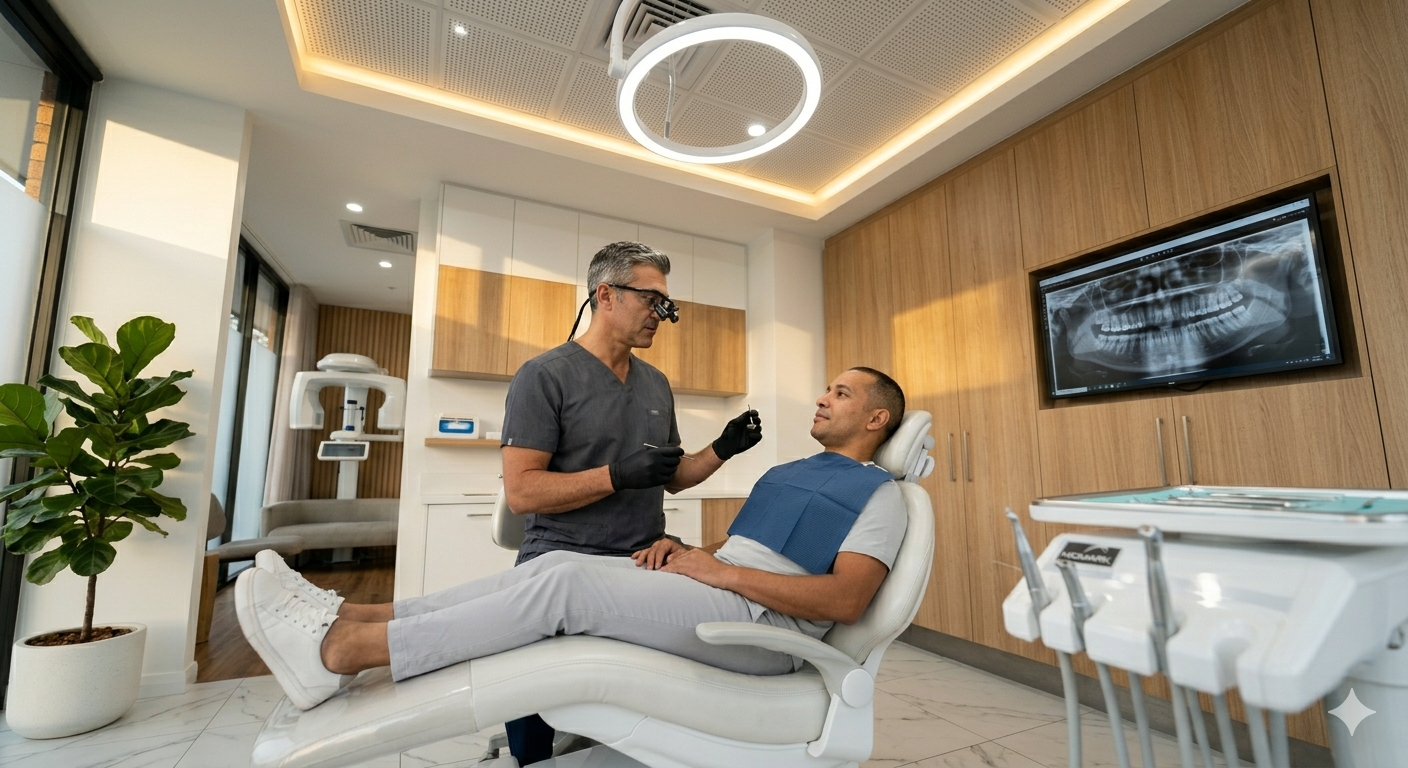
When a dental emergency strikes in Palmdale, quick and professional care is essential to relieve pain and prevent further damage. Emergency dental services in Palmdale, CA, are designed to provide prompt treatment for issues like sudden toothaches, broken teeth, and other urgent oral problems. Knowing where to turn can make all the difference in a stressful situation.
These services often include same-day appointments, expert diagnosis, and effective treatments tailored to individual needs. Whether it’s a weekend or an unexpected hour, local emergency dentists are prepared to help patients feel comfortable and safe while addressing their dental concerns.
Understanding what counts as a dental emergency and how to access care can offer peace of mind. It’s helpful to be familiar with trusted providers so anyone facing a dental crisis knows they have support and expert help just a call away.
What Are Emergency Dental Services in Palmdale, CA?
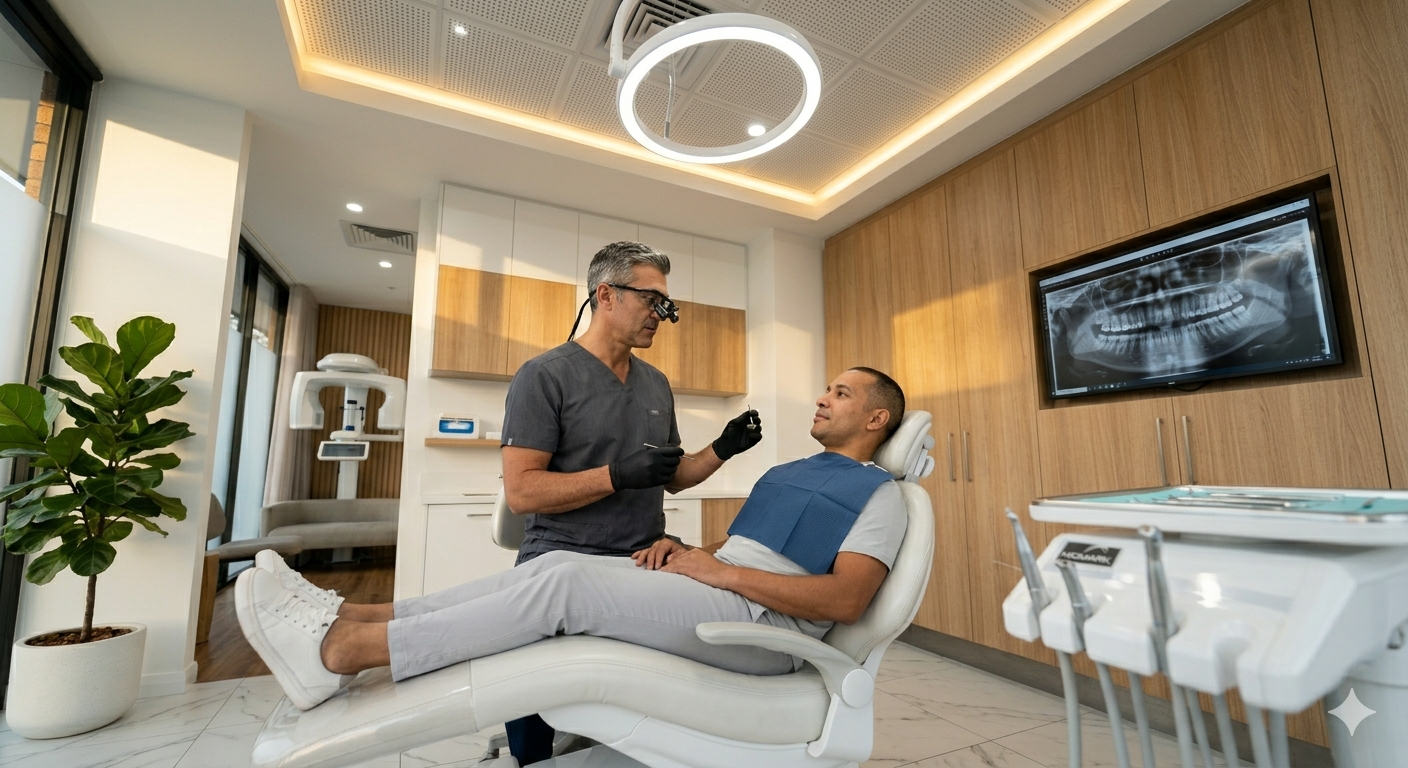
Emergency dental services provide immediate care when urgent issues with teeth or gums arise. These services focus on relieving pain, preventing further damage, and restoring oral health quickly. Knowing what qualifies as an emergency, how to spot one, and why acting fast matters can make a big difference in outcomes.
Common Types of Dental Emergencies
Dental emergencies often include severe toothaches, knocked-out teeth, and broken or cracked teeth. Abscesses or infections causing swelling and pain also require prompt attention. Injuries from accidents, like a fractured jaw or lost fillings, fall under emergency care as well.
Some emergencies are less obvious, such as sudden swelling or bleeding gums. These symptoms can signal serious infections needing same-day treatment. Emergency dentists in Palmdale have the tools to diagnose and treat a wide range of urgent dental problems.
How to Recognize a Dental Emergency
Recognizing a dental emergency starts with understanding the severity of symptoms. Intense pain that doesn’t ease with over-the-counter medication usually signals an emergency. Sudden swelling of the face or gums, bleeding that won’t stop, or a tooth knocked completely out also require immediate action.
Other signs include a loose tooth after trauma or a severe infection with fever. While minor discomfort or sensitivity may not need emergency care, any injury with deformity or worsening symptoms should be treated quickly. When unsure, it’s better to consult a local emergency dentist.
Why Prompt Care Matters
Seeking prompt care reduces the risk of complications like infections or permanent tooth loss. Timely treatment can save teeth that might otherwise need extraction. Emergency dentists in Palmdale use modern methods to control pain fast and prevent damage from spreading.
Delays can lead to more invasive procedures, longer recovery, and higher costs. Early intervention also improves comfort and healing outcomes. That’s why emergency dental clinics often offer same-day appointments and flexible hours to address urgent needs quickly.
Immediate Steps to Take During a Dental Emergency
Knowing how to respond quickly can reduce pain and prevent further damage. Taking proper actions right away ensures the best chance for saving teeth and easing discomfort.
Managing Pain and Swelling
Pain and swelling are common in dental emergencies. Applying a cold compress to the cheek near the injured area can help reduce swelling and numb the pain. Use the compress for 15-minute intervals with breaks in between to avoid skin damage.
Over-the-counter pain relievers like ibuprofen can provide effective pain control and also reduce inflammation. Avoid placing aspirin directly on the gums, as it can irritate the tissue. Rinsing the mouth gently with warm salt water can help brighten the area and reduce bacteria.
If swelling affects breathing or swallowing, or if pain is severe and persistent, professional care is urgently needed.
Handling Knocked-Out or Broken Teeth
A knocked-out tooth requires immediate attention for the best chance of reimplantation. Hold the tooth by the crown, not the root, to avoid further damage. If dirty, rinse it briefly with water but do not scrub or use soap.
The tooth should be stored in milk, saline solution, or the patient’s saliva to keep it moist. Promptly visiting an emergency dentist, ideally within 30 minutes to an hour, improves success rates.
For broken teeth, collect any broken pieces and rinse the mouth with warm water. Use gauze to control bleeding and cold compresses to manage swelling. Avoid chewing on the damaged side until seen by a dentist.
When to Visit the Emergency Room
Some dental emergencies require emergency room visits rather than a dental office. If the injury involves facial trauma, jaw fractures, uncontrollable bleeding, difficulty breathing, or unconsciousness, immediate ER care is necessary.
The ER is equipped to stabilize severe injuries and manage pain and trauma. After stabilization, follow-up with a dental specialist is important for tooth and oral health repairs.
For less severe pain, swelling, or broken teeth without complications, a local emergency dental service is usually the better first choice.
Available Emergency Procedures in Palmdale
Emergency dental situations often require quick and effective care to relieve pain and prevent further damage. Palmdale’s dental clinics provide several critical procedures designed to address common urgent issues like severe pain, infection, and trauma.
Urgent Tooth Extractions
When a tooth is severely damaged or infected beyond repair, an urgent extraction may be necessary. This procedure removes the problematic tooth to stop pain and prevent the infection from spreading. Dentists in Palmdale use local anesthesia to ensure patient comfort during the process, focusing on gentle techniques to minimize trauma.
After extraction, the dentist provides clear aftercare instructions to reduce swelling and promote healing. Follow-up visits help monitor recovery and discuss options for tooth replacement if needed. Patients can expect a relatively quick procedure with most returning to normal activities within a few days.
Emergency Root Canals
Root canals are often needed when the inner pulp of a tooth becomes infected or inflamed. In emergencies, this procedure stops severe pain and clears infection without removing the tooth. Palmdale dental professionals use advanced tools to clean the canals thoroughly and seal them to prevent reinfection.
Patients often arrive with sharp, persistent pain or swelling. The emergency root canal procedure can provide immediate relief while allowing the tooth to be preserved. Follow-up care includes protecting the treated tooth with a crown to restore strength and appearance.
Treatment for Dental Infections
Dental infections can cause significant discomfort and pose serious risks if left untreated. Emergency treatment in Palmdale often involves draining abscesses, prescribing antibiotics, and addressing the source of infection. Early intervention is crucial to prevent the infection from spreading to other areas like the jaw or bloodstream.
Dentists evaluate the severity through examination and imaging. In some cases, infection control is combined with tooth-saving procedures like root canals or extractions. Patients are advised on symptom management during recovery and the importance of timely care to avoid complications.
How to Choose an Emergency Dentist in Palmdale, CA
Finding the right emergency dentist means looking for specific qualities and quick access. Patients need care that balances skill, comfort, and promptness to manage urgent dental issues effectively.
Key Qualities to Look For
A trustworthy emergency dentist in Palmdale should have current licenses and relevant emergency dental training. Experience with common urgent cases like toothaches, broken teeth, or abscesses is crucial for fast and accurate treatment.
Patient comfort matters too. The dentist should offer a calm environment, explain procedures clearly, and use pain management options. Modern technology like digital X-rays and sterilization protocols ensures safety and quality care.
Reading reviews helps. Positive feedback from local patients often reflects reliable service, gentle treatment, and staff professionalism.
Checking Availability and Response Times
Emergency dental problems can’t wait. Look for clinics with extended hours, weekend availability, or 24/7 emergency lines. Some offices allow walk-ins or same-day appointments, which can be lifesaving during pain or trauma.
Quick response time matters. A good emergency dentist will answer calls promptly and provide immediate guidance, even before the patient arrives.
Confirming insurance acceptance or affordable payment plans can reduce stress during urgent visits. Clear communication about costs upfront is important to avoid surprises later.
Caring for Your Smile After an Emergency
Recovering from a dental emergency involves both professional care and personal attention at home. Maintaining good habits and following your dentist’s guidance can protect your teeth and gums from further damage.
Preventing Future Dental Issues
After an emergency, it’s crucial to avoid habits that might weaken your teeth again. Using a mouthguard during sports or nighttime grinding helps protect enamel and prevents chips or fractures.
Regular dental check-ups every six months allow early detection of potential problems. Your dentist may recommend fluoride treatments or sealants to strengthen vulnerable areas.
Diet also plays a role. Limiting sugary and acidic foods reduces the risk of decay. Drinking plenty of water rinses away food particles and supports saliva production, which naturally defends your teeth.
Home Care Tips Following Treatment
Following emergency treatment, gentle care is essential. Use a soft-bristled toothbrush and brush with light pressure to avoid irritating sensitive areas. Avoid flossing around treated teeth if they feel tender.
Pain or swelling can be managed with over-the-counter pain relievers and cold compresses applied to the cheek for 10-15 minutes. Stay clear of hard, crunchy, or sticky foods for several days, as these can disrupt healing.
Rinsing your mouth gently with warm salt water after 24 hours helps reduce bacteria and soothes gums. If your dentist prescribes antibiotics or special rinses, follow their instructions strictly to prevent infection and speed recovery.
Modern Technology and Comfort in Emergency Dental Care
Emergency dental care in Palmdale, CA, uses advanced tools and techniques to make treatments faster and less stressful. Patients benefit from modern pain control and diagnostic technology, which help dentists pinpoint issues and offer effective relief quickly.
Pain-Free Solutions
To ease anxiety and discomfort during emergencies, clinics often use local anesthesia combined with sedation options like nitrous oxide (laughing gas) or oral sedatives. These methods allow patients to stay calm while ensuring that the treatment area is numb and pain-free.
Some offices also offer laser dentistry for certain procedures, which can reduce the need for drills and stitches, minimizing pain and speeding up recovery. The focus is on making each step gentle, so even urgent care feels manageable.
Dental teams communicate clearly about what to expect before starting treatment, helping patients feel more at ease. Comfort is a priority, not an afterthought.
Digital Imaging and Diagnostics
Modern emergency dentists rely on digital X-rays and 3D imaging to get clear, instant views of the problem area. These tools expose patients to less radiation than traditional X-rays and provide sharper images for accurate diagnosis.
With precise visuals, dentists can identify cracked teeth, infections, or bone damage more quickly and plan treatments that directly target the issue. Digital images also make it easier to explain diagnoses to patients, helping them understand their condition and options.
This technology speeds up care by reducing guesswork and avoiding unnecessary procedures. It’s a key part of delivering effective, timely emergency dental service in Palmdale.
The Importance of Ongoing Preventive Dental Care
Preventive dental care is essential to avoid emergency visits and keep your smile healthy. Regular check-ups allow dentists to spot small issues like cavities or gum inflammation before they turn into painful problems.
Brushing twice a day, flossing daily, and visiting the dentist every six months form the foundation of good dental health. These habits help remove plaque and bacteria that cause decay and gum disease.
Preventive care often includes professional cleanings and sometimes fluoride treatments. These services strengthen teeth and reduce the risk of tooth loss or infections, which can lead to emergency dental needs.
| Benefits of Preventive Care | Why It Matters |
|---|---|
| Early detection | Catches problems early, avoiding pain |
| Cost-effective | Prevents expensive treatments later |
| Comfort | Reduces the chance of sudden emergencies |
Everyone’s dental needs differ, so staying in touch with a trusted Palmdale dentist helps tailor care to individual concerns. This personalized approach gives patients peace of mind.
Encouraging patients to ask questions and discuss any discomfort during visits makes a big difference. Dentists aim to create a welcoming environment where prevention feels easy and achievable.
If dental pain or injury does happen, early preventive care can greatly reduce the severity and recovery time. It’s always best to stay ahead with routine maintenance rather than waiting for an emergency.
Contacting Emergency Dental Services in Palmdale
When a dental emergency strikes, knowing how to reach the right help quickly makes all the difference. In Palmdale, many dental offices offer dedicated emergency phone lines, so patients can speak directly with a team member ready to assist. It’s helpful to save these numbers in your phone before an emergency occurs.
Most emergency dental services in Palmdale encourage patients to call first rather than walking in. This allows the staff to prepare for immediate treatment and reduce waiting times. During the call, patients should clearly explain their symptoms, such as severe pain, swelling, or a knocked-out tooth, to help staff prioritize care.
Some clinics provide online booking or 24/7 emergency hotlines. This can be especially useful outside of regular office hours. Patients might find it comforting to ask about payment options and treatment plans while on the phone, which helps reduce stress at the clinic.
Here’s a quick checklist for when calling:
- Describe the emergency clearly and calmly
- Mention any allergies or medical conditions
- Ask about the expected wait time
- Confirm the clinic’s address and parking options
Having this information ready keeps the process smooth and focused on the patient’s comfort. It also helps dental professionals prepare the best possible care right away.
Frequently Asked Questions
Understanding when a dental issue needs urgent care and what steps to take can make a big difference. Knowing how to handle emergencies like knocked-out teeth or severe pain helps patients stay calm and get prompt treatment.
What signs mean my tooth problem can’t wait until regular office hours?
Severe tooth pain that worsens with time, swelling around the face or jaw, a broken or knocked-out tooth, and bleeding that won’t stop are clear signs to seek immediate help.
If you have fever along with mouth pain or difficulty swallowing, these symptoms signal an infection that requires quick attention.
What should I do right away if I have a knocked-out tooth or a tooth that’s been pushed out of place?
For a knocked-out tooth, gently rinse it without scrubbing and try to place it back into the socket if possible.
If that’s not possible, keep the tooth in milk or saliva and see a dentist immediately. For a tooth pushed out of place, don’t try to move it back yourself—get emergency dental care as soon as you can.
How can I get same-day help if I don’t have a regular dentist yet?
Many Palmdale clinics offer walk-in or same-day emergency dental appointments.
It’s helpful to call ahead or check online for availability. Urgent care dental clinics also provide immediate services without a regular patient relationship.
Will you be able to treat severe tooth pain, swelling, or a possible infection on the first visit?
Emergency dental services typically address pain relief and infection control immediately.
They may prescribe antibiotics, drain abscesses, or perform temporary fixes. More comprehensive treatment might require follow-up visits.
Do you accept my insurance, and what are my options if I need a payment plan?
Most emergency dental providers accept a range of insurance plans.
If insurance doesn’t cover the full cost, many offices offer flexible payment plans or financing options to ease the burden.
When should I go to the ER instead of seeing a dentist for mouth pain or facial swelling?
Go to the ER if you have difficulty breathing, swallowing, or severe facial swelling that spreads quickly.
High fever with these symptoms or trauma affecting your jaw or head also requires emergency hospital care.