 Find a center
 (661) 762-5816

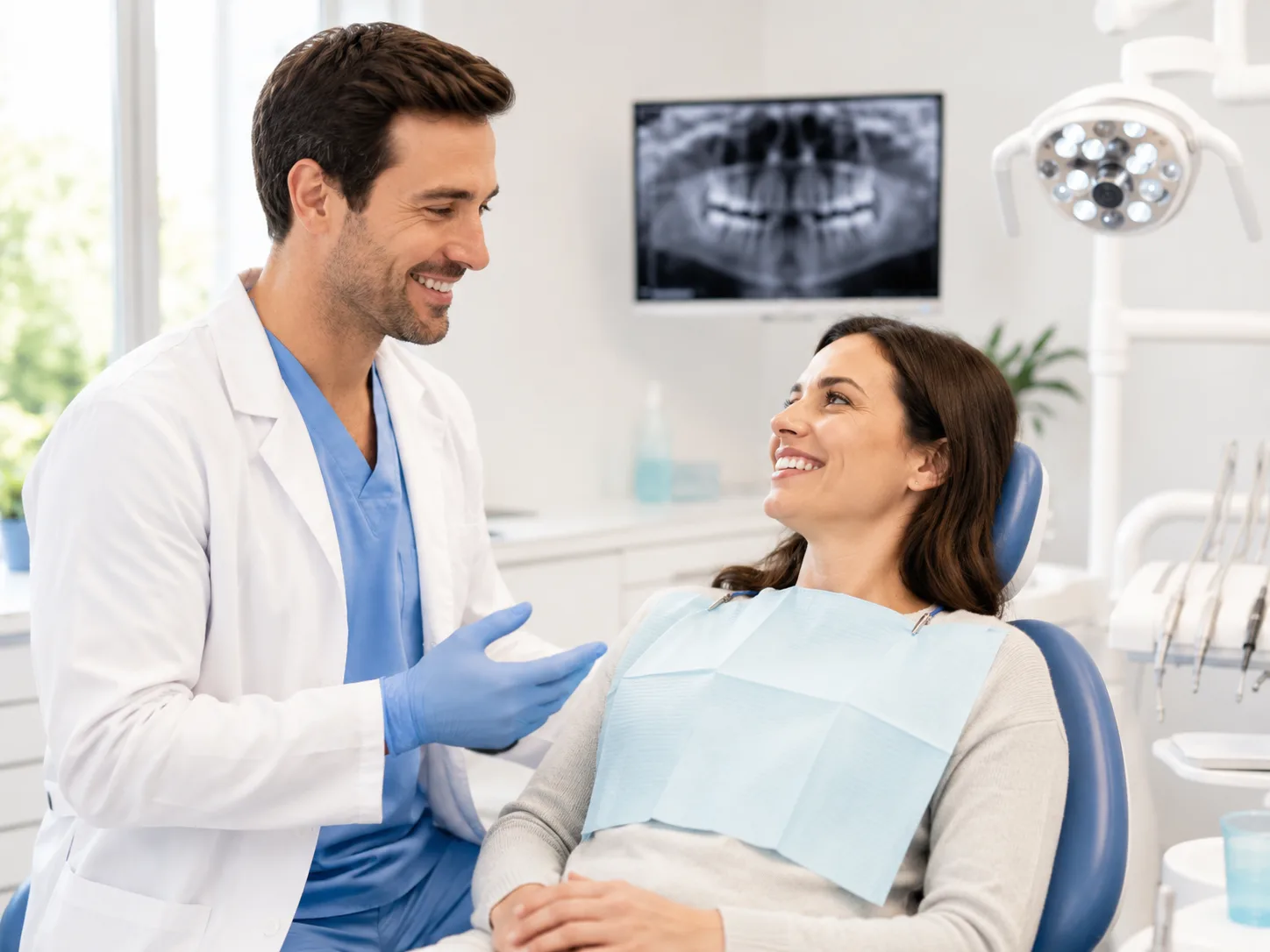
A severe toothache, broken tooth, or sudden swelling can make it difficult to think about anything else. When a dental problem happens unexpectedly, knowing whom to call and what to do next can help you stay calm and avoid actions that may make the situation worse.
An emergency dentist in Palmdale, CA, can assess the cause of urgent symptoms, help manage discomfort, and recommend appropriate treatment. Some concerns require prompt dental attention, while potentially life-threatening symptoms call for a hospital emergency department or 911.
This guide explains how to recognize common dental emergencies, how to respond while arranging care, and what patients can expect during an urgent dental visit.
What Is Considered a Dental Emergency?
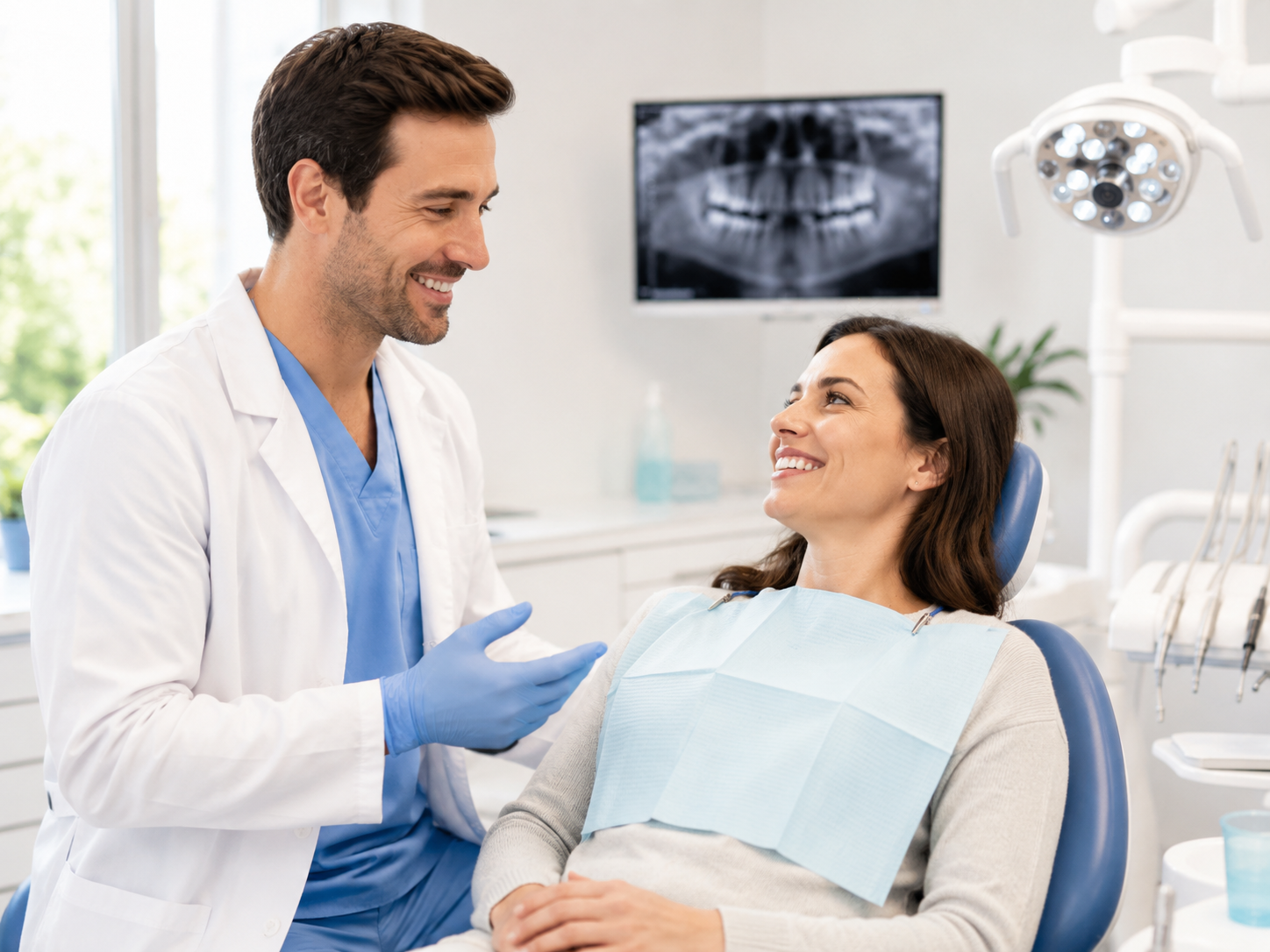
A dental emergency is generally a problem that needs prompt evaluation to relieve significant pain, address bleeding or infection, protect an injured tooth, or prevent the condition from becoming more serious. The level of urgency depends on the symptoms, their cause, and the patient’s overall health.
Common reasons to contact an emergency dentist include:
- Severe, persistent, or worsening tooth pain
- Swelling of the gums, jaw, cheek, or face
- A broken, cracked, loose, or knocked-out permanent tooth
- Bleeding that does not stop with gentle pressure
- A painful dental abscess or pimple-like bump on the gums
- A lost or damaged filling, crown, bridge, or other restoration that causes pain or leaves the tooth vulnerable
- Significant pain or complications following a dental procedure
- An object lodged between the teeth that cannot be removed gently
Not every dental concern requires immediate treatment, but patients do not need to make that decision alone. Calling a dental office allows the team to ask questions, assess urgency, and explain the safest next step.
When Should a Patient Go to the Emergency Room?
Most tooth problems are best treated by a dentist because hospital emergency departments may not provide definitive restorative or surgical dental treatment. However, medical emergencies should never wait for a dental appointment.
The American Dental Association advises people experiencing a life-threatening emergency to call 911 or go to the nearest hospital emergency department. Seek emergency medical help for symptoms such as:
- Difficulty breathing or swallowing
- Rapidly increasing swelling involving the face, mouth, or neck
- Uncontrolled or heavy bleeding
- Major injury to the face or jaw
- Loss of consciousness, confusion, or other signs of a serious head injury
- Any condition that appears life-threatening
If there is uncertainty, it is safer to call 911 or obtain immediate medical guidance. After the person is medically stable, a dentist or oral surgery provider can address the dental injury or underlying oral health problem.
What to Do During Common Dental Emergencies
First-aid steps may protect the mouth and make a patient more comfortable, but they do not replace an examination. Contact an emergency dental provider as soon as possible and follow the instructions given by the clinical team.
Severe toothache
Rinse the mouth gently with lukewarm water and carefully remove visible food around the tooth with dental floss. Do not place aspirin, alcohol, or other chemicals directly on the tooth or gums, as these substances may irritate oral tissues.
Tooth pain can have several possible causes, including decay, inflammation, infection, a crack, or an issue with an existing restoration. Even if the pain temporarily decreases, the underlying problem may still require treatment.
Facial or gum swelling
Swelling may be associated with infection or inflammation and deserves prompt attention. Call a dental professional for triage rather than waiting for the swelling to disappear on its own. A cool compress held against the outside of the face may help with comfort.
Swelling accompanied by breathing or swallowing difficulty, rapid progression, or significant illness requires emergency medical care.
Broken or cracked tooth
Rinse gently and save any tooth fragments that can be found. Avoid chewing with the injured tooth, and do not test the crack by biting down repeatedly. A cool compress may be used on the outside of the face if an injury caused swelling.
The dentist will evaluate how much of the tooth is affected and whether the inner tissues have been exposed. Treatment depends on the location and extent of the damage.
Knocked-out permanent tooth
A knocked-out permanent tooth is time-sensitive. Pick it up by the crown—the part normally visible in the mouth—rather than the root. If it is dirty, handle it as little as possible and contact a dentist immediately for instructions. Do not scrub the root or remove attached tissue.
Do not attempt to reinsert a baby tooth. Doing so could harm the developing permanent tooth underneath. A child with a dental injury should be evaluated promptly.
Lost filling or crown
Keep the restoration if it can be located and avoid chewing on the affected side. Do not use household glue or force a crown back into place. The dental team can advise whether temporary protection is appropriate before the appointment.
Even without severe pain, an uncovered tooth may be sensitive or vulnerable to additional damage. Arrange an evaluation rather than delaying until symptoms worsen.
Soft-tissue injury or bleeding
For an injured lip, cheek, tongue, or gum, use clean gauze and gentle, steady pressure. If bleeding is heavy, does not improve, or follows significant facial trauma, seek emergency medical care.
What to Expect From an Emergency Dentist in Palmdale, CA
An urgent visit begins with focused questions about what happened, when the symptoms started, and whether they are getting worse. Patients should mention medications, allergies, health conditions, pregnancy, recent procedures, and any attempts made to manage the problem at home.
The dentist may examine the teeth, gums, bite, and surrounding tissues. Dental imaging may be recommended when it is needed to evaluate areas that cannot be seen during the visual examination.
Emergency treatment focuses first on the immediate problem. Depending on the diagnosis, care may involve protecting a damaged tooth, addressing an infection, controlling bleeding, repairing a restoration, or planning a dental or oral surgery procedure. Treatment recommendations differ from person to person, and no specific outcome can be guaranteed before an examination.
In some situations, urgent care stabilizes the problem rather than completing every stage of treatment at one visit. The dentist should explain any follow-up care, warning signs, home instructions, and options for restoring long-term oral health.
How to Prepare for an Urgent Dental Visit
A few practical steps can make emergency care more efficient:
- Call ahead whenever possible so the team can provide triage instructions.
- Describe the main symptom, its severity, and when it began.
- Report facial swelling, fever, bleeding, trauma, or difficulty swallowing immediately.
- Bring identification, insurance information, and a current medication list.
- Bring any broken tooth fragments, crown, bridge, denture, or appliance in a clean container.
- Arrange transportation if the office says medication or a procedure could make driving unsafe.
- Ask before eating or drinking if oral surgery or sedation may be considered.
Patients should not delay calling because they are unsure whether the problem is “serious enough.” The dental team can help determine the appropriate timing and level of care.
Can Dental Emergencies Be Prevented?
Accidents cannot always be avoided, but preventive habits can reduce the likelihood of some emergencies. Regular dental visits give the dentist an opportunity to identify weakened restorations, decay, gum problems, and cracked teeth before they become painful.
Helpful habits include brushing consistently, cleaning between the teeth, wearing an appropriate mouthguard during contact sports, and avoiding the use of teeth to open packages. Biting ice, hard candy, popcorn kernels, pens, or similar objects can place unnecessary stress on teeth and restorations.
Patients who grind or clench their teeth should discuss the concern with a dentist. Anyone who notices recurring sensitivity, discomfort when biting, a loose restoration, or a small chip should schedule an evaluation instead of waiting for severe pain.
Frequently Asked Questions
Can a toothache wait until the next day?
Mild discomfort may not always require immediate treatment, but severe, persistent, or worsening pain should be discussed with a dental professional promptly. Swelling, bleeding, trauma, or feeling seriously unwell increases the urgency. A phone call is the safest way to determine whether the issue can wait.
Will an emergency dentist remove the tooth?
Not necessarily. The appropriate treatment depends on the cause of the problem, the condition of the tooth, and the surrounding tissues. The dentist will evaluate available options and discuss the benefits, limitations, and risks before treatment.
Should a patient take leftover antibiotics for dental pain?
No medication should be started without guidance from a qualified clinician. Leftover antibiotics may be inappropriate for the condition, may cause side effects, and may not address the source of pain. Patients should tell the dentist about all medications they have taken.
What if a dental emergency happens after normal office hours?
Call the dental office and listen to the full recorded message for available instructions. If symptoms suggest a potentially life-threatening emergency, call 911 or visit the nearest emergency department rather than waiting for the office to reopen.
Can AV Dental Surgery Center help with an urgent dental problem?
AV Dental Surgery Center provides dental and oral surgery care in Palmdale, CA. Because the right level of care depends on the symptoms and clinical findings, patients should call the office to describe the situation and ask about availability and next steps.
Prompt, Reassuring Dental Care in Palmdale
Dental emergencies can feel overwhelming, but clear guidance and timely evaluation can make the next step easier. Patients should avoid attempting home repairs or waiting through severe symptoms without professional advice.
If you need an emergency dentist in Palmdale, CA, contact AV Dental Surgery Center at (661) 762-5816. The practice is located at 868 Auto Center Dr, Palmdale, CA 93551. Call to explain the symptoms, ask questions, and learn what type of evaluation may be appropriate. For a life-threatening emergency, call 911 or go to the nearest emergency department.