 Find a center
 (661) 762-5816
If your gums feel swollen, bleed when you brush, or your smile seems to be shifting, you deserve clear options that protect both your oral health and confidence. You can treat periodontal disease in Palmdale with a range of effective options—from deep cleanings and antibiotic therapies to advanced surgical procedures and restorative care—tailored to the severity of your condition and your comfort.
This article explains how non-surgical approaches, advanced treatments, and restorative steps work, so you know what to expect and when to seek help. It also highlights personalized care available in Palmdale and practical prevention strategies to keep results lasting, helping you make informed choices about your dental care.
Understanding Periodontal Disease
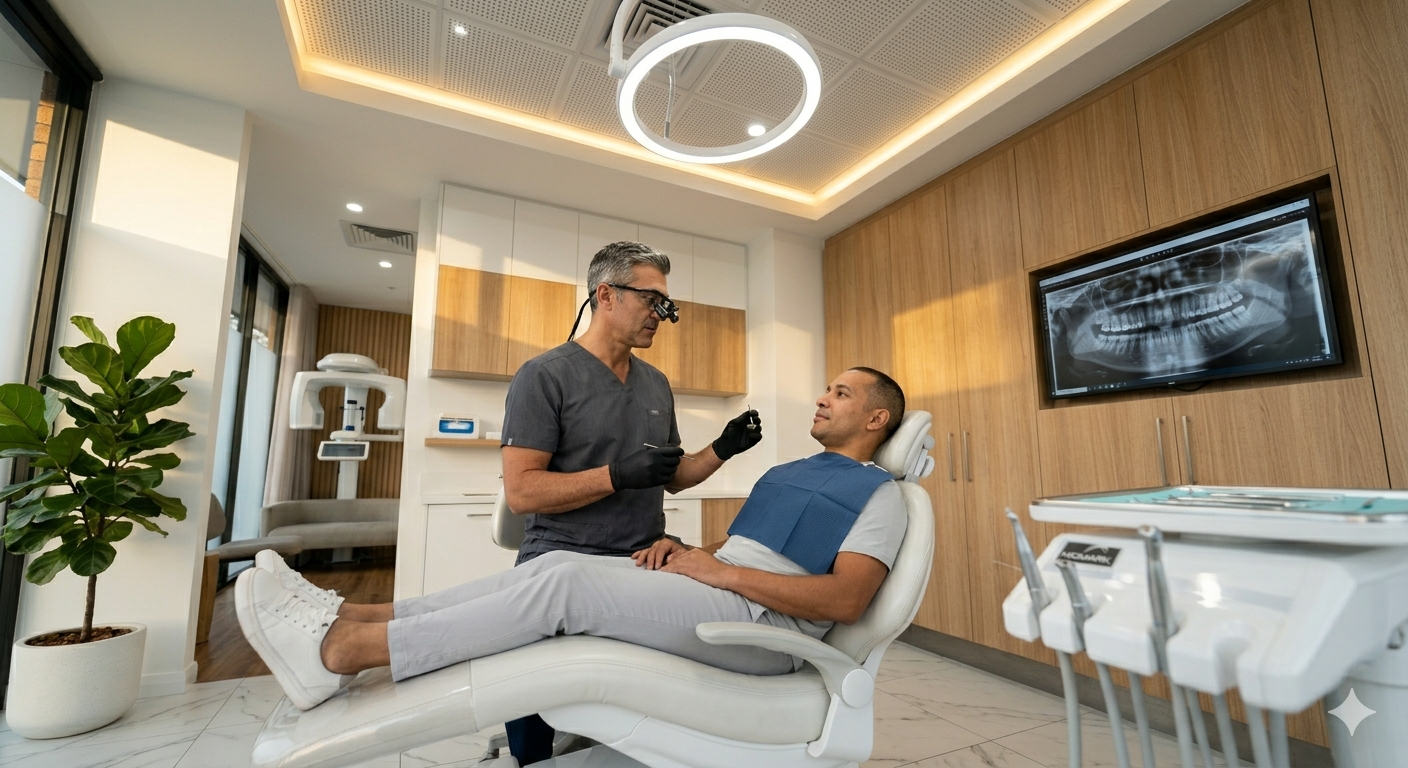
Periodontal disease affects the tissues that support teeth and can lead to tooth loss if not treated. Knowing causes, symptoms, and stages helps patients in Palmdale make informed choices about prevention and care.
What Causes Gum Problems
Bacterial plaque is the primary driver of gum problems. When plaque builds along the gumline, bacteria release toxins that irritate and inflame gum tissue, leading to redness and bleeding. Poor daily oral hygiene — inconsistent brushing, infrequent flossing, and skipped dental cleanings — allows plaque to harden into calculus, which anchors bacteria and makes inflammation harder to reverse.
Systemic factors make plaque more harmful. Smoking reduces blood flow and impairs healing, diabetes increases infection risk and severity, and certain medications cause dry mouth or gum overgrowth. Genetic susceptibility also plays a role; some people develop aggressive gum disease despite good home care. Stress, poor nutrition, and hormonal changes (pregnancy, menopause) further increase risk by altering immune response and tissue resilience.
Common Symptoms
Gum disease often begins subtly, so early signs matter. Look for gums that bleed during brushing or flossing, persistent bad breath, gums that are swollen or tender, and gums that appear to be pulling away from teeth. These symptoms commonly indicate gingivitis, the reversible early stage of disease.
As disease progresses, symptoms become more pronounced: loose teeth, changes in bite, formation of deep pockets between teeth and gums, and pus around the gums. Patients may notice sensitivity to hot or cold and receding gums exposing more tooth surface. Any of these signs warrants prompt evaluation by a dentist or periodontist in Palmdale to prevent irreversible damage.
Stages of Gum Disease
Gum disease progresses in identifiable stages that guide treatment decisions. Stage 1, gingivitis, features gum inflammation without bone loss and usually reverses with professional cleaning and improved home care. Stage 2, mild to moderate periodontitis, shows pocket formation and early bone loss; treatment typically includes scaling and root planing plus close periodontal maintenance.
Stage 3 and 4 represent advanced periodontitis with significant bone and tissue loss, tooth mobility, and potential tooth loss. These stages often require surgical interventions such as flap surgery, bone grafts, or guided tissue regeneration, combined with periodontal maintenance and possible systemic or localized antibiotics. Treatment choice depends on pocket depth, bone loss on X-rays, medical history, and the patient’s goals for tooth preservation.
Non-Surgical Approaches to Healthier Gums
Non-surgical care focuses on removing plaque and bacteria, reducing inflammation, and restoring gum attachment using in-office procedures and targeted agents. These options emphasize comfort, prevention, and maintenance to avoid more invasive surgery.
Professional Dental Cleanings
A professional cleaning (prophylaxis) removes plaque and tartar above and just below the gumline with specialized instruments and ultrasonic scalers. Hygienists polish teeth to remove surface stains and apply flossing or interdental cleaning to clear tight spaces where bacteria hide.
Frequency depends on disease status: every six months for routine care; every three to four months for patients with chronic gingivitis or stable periodontitis. Cleanings often include oral hygiene coaching tailored to the patient’s brushing technique, interdental brush size, and recommended toothpaste or mouthwash.
Care teams prioritize comfort through topical anesthetic gels, gentle scaling techniques, and short treatment segments for anxious patients. Records note pocket depths, bleeding on probing, and areas needing closer monitoring to guide follow-up and preventive strategies.
Scaling and Root Planing
Scaling and root planing (SRP) is a deeper cleaning that targets plaque and calculus below the gumline and smooths root surfaces to help gums reattach. Clinicians numb the area with local anesthesia, then remove deposits with manual curettes and ultrasonic instruments.
SRP is typically done quadrant by quadrant over one to two visits, depending on disease severity and patient tolerance. Post-procedure instructions include warm salt rinses, soft foods for 24–48 hours, and gentle brushing with a soft brush to minimize irritation.
Clinical goals are to reduce pocket depths, decrease bleeding, and lower bacterial load. Follow-up visits at four to six weeks assess healing; many patients see measurable improvement in pocket measurements and reduced inflammation after a single SRP course.
Antibacterial Treatments
Antibacterial options add targeted infection control to mechanical cleaning. Providers may use chlorhexidine rinses, topical antibiotics like doxycycline gel placed into pockets, or locally delivered minocycline microspheres to suppress specific periodontal pathogens.
Systemic antibiotics are reserved for aggressive or refractory cases and are prescribed after culture or clinical judgment. Clinicians monitor for side effects and emphasize that antibiotics complement, not replace, mechanical debridement and improved home care.
Adjunctive laser therapy or photodynamic therapy can also reduce bacterial counts in pockets with minimal discomfort. These adjuncts often require multiple sessions and are chosen based on pocket depth, response to SRP, and patient preferences.
Advanced Treatments for Severe Cases
Patients with advanced periodontitis often need targeted therapies to remove deep infection, regenerate lost tissue, and stabilize teeth. Modern options combine technology and surgery to reduce pocket depth, control bacteria, and preserve the jaw structure.
Laser Therapy Benefits
Laser therapy uses focused light to remove infected tissue and bacteria from deep periodontal pockets with precision. It can target diseased epithelium and bacterial biofilm while sparing healthy gum, which reduces bleeding and swelling compared with some traditional scalings.
Treatment commonly uses diode or erbium lasers. Clinicians report faster pocket reduction and more comfortable post-op recovery. Laser sessions often pair with scaling and root planing or local antibiotic delivery for best results.
Advantages include shorter procedures, minimal suturing, and quicker soft-tissue healing. Not every case suits lasers; deep bone defects or extensive attachment loss may still require surgical access. Patients should discuss candidacy, costs, and expected outcomes with their Palmdale periodontist.
Gum Surgery Overview
Gum surgery (periodontal flap surgery) gives the clinician direct access to root surfaces and bone to remove tartar, reshape bone, and place regenerative materials. Surgeons lift the gum flap, thoroughly debride roots, and then reposition tissue to reduce pocket depth.
Options include access flap, osseous surgery, and guided tissue regeneration using membranes, bone grafts, or growth factors. These techniques aim to rebuild lost bone and connective tissue when defects are suitable for regeneration.
Recovery usually involves local anesthesia, short-term pain control, and follow-up visits for suture removal and hygiene reinforcement. Patients with diabetes, smokers, or those with poor oral hygiene may face slower healing, so preoperative planning and postoperative care are critical.
Restoring Your Smile After Treatment
After periodontal therapy, patients often need targeted restorative care to rebuild gum contours and replace missing teeth. The following options address both appearance and function so patients can eat, speak, and smile with confidence.
Options for Gum Recession
Gum grafting is the most common solution for exposed roots caused by recession. A periodontist may perform a connective tissue graft (taking tissue from the palate) or use donor tissue to cover roots, reduce sensitivity, and improve aesthetics. Healing usually takes 2–4 weeks for initial recovery, with full maturation over several months.
Less invasive alternatives include pinhole surgical techniques and allograft materials that avoid a second surgical site. These options can shorten recovery and reduce postoperative discomfort, though not every case qualifies. Success depends on good oral hygiene, smoking cessation, and control of any contributing bite forces.
Patients should expect temporary swelling and some tenderness, managed with NSAIDs and cold packs. Follow-up includes suture removal if needed, soft-diet instructions, and a tailored hygiene plan to protect the grafted area and prevent recurrence.
Dental Implants and Support
Dental implants replace single or multiple missing teeth with a titanium implant that osseointegrates into the jawbone. After healing (typically 3–6 months for integration), a custom abutment and crown restore chewing function and natural appearance. Implants preserve bone volume better than removable dentures and avoid altering adjacent teeth.
For patients with significant bone loss, bone grafting or sinus lifts can rebuild support before implant placement. Alternatively, implant-supported bridges or overdentures offer stable solutions when several teeth are missing. Treatment planning includes CBCT scans, digital impressions, and a prosthetic-driven approach to ensure proper bite and esthetics.
Postoperative care focuses on plaque control, regular maintenance visits, and avoiding hard or sticky foods during early healing. With good oral hygiene and routine periodontal care, implants can last many years and often become the preferred long-term option.
Personalized Care in Palmdale
Patients receive individualized attention that balances comfort, modern techniques, and clear communication. The local clinics emphasize thorough evaluation, treatment options suited to lifestyle and budget, and follow-up plans to protect long-term oral health.
What to Expect at a Local Consultation
At the first visit, the hygienist or periodontist reviews medical history and current medications to identify factors like diabetes or blood thinners that affect care. A full-mouth periodontal exam measures pocket depths, checks gum recession, and records bleeding on probing; digital X-rays or a CBCT scan are used when bone loss or implant planning is suspected.
The clinician explains findings with photos or intraoral camera images so patients can see problem areas. They discuss non-surgical options first—scaling and root planing with local anesthesia, antiseptic rinses, and targeted antibiotics when needed. If surgery may be required, the clinician describes the procedure, anesthesia choices, expected recovery time, and pain control. Administrative staff reviews estimated costs, insurance coverage, and financing options before scheduling.
How Your Treatment Plan Is Tailored
The treatment plan starts with baseline measurements and patient priorities—cosmetic concerns, sensitivity, or bleeding during flossing—to set realistic goals. For smokers, the plan includes cessation resources because quitting improves treatment success; for diabetic patients, coordination with their physician optimizes healing.
Therapies are sequenced: initial non-surgical therapy is reassessed after 4–8 weeks; if pockets persist, localized antimicrobial therapy or minimally invasive periodontal surgery is considered. The plan specifies frequency of maintenance cleanings (often every 3 months for moderate to severe disease), at-home care steps, and measurable targets such as pocket depth reduction to 3 mm or less. Progress notes and photos track outcomes, and adjustments are made based on healing, symptoms, and patient feedback.
Embracing Prevention for Lasting Results
Prevention focuses on daily routines and professional maintenance that keep gums healthy and reduce the need for repeat procedures. Small, consistent actions and scheduled care make the biggest difference in long-term periodontal stability.
Everyday Habits That Protect Your Gums
Brush twice daily for two minutes with a soft-bristled brush and fluoride toothpaste, angling bristles toward the gum line to remove plaque without damaging tissue. Floss once a day using a gentle sawing motion and curve the floss around each tooth to clean below the gum margin; interdental brushes work well for wider spaces or dental work.
Limit sugary snacks and acidic drinks; choose water, milk, or unsweetened tea and rinse with water after meals to reduce bacterial growth. Quit tobacco and avoid vaping—both significantly increase gum inflammation and slow healing.
Replace the toothbrush every three months or after illness. Track habits with a short checklist or phone reminder to maintain consistency and bring any bleeding, persistent bad breath, or gum tenderness to the dentist promptly.
Tips for Maintaining Results
Schedule professional periodontal maintenance every 3–4 months if diagnosed with periodontitis, or at least every 6 months for routine care. These visits include scaling, root planing as needed, and evaluation of pocket depths to catch recurrence early.
Follow any personalized home-care plan from the dental team, which may include antimicrobial rinses, prescription toothpaste, or targeted tools like single-tuft brushes. Stay on prescribed medication regimens and report side effects.
Adopt lifestyle steps that support healing: manage blood sugar if diabetic, reduce stress, and ensure adequate sleep. Keep a simple log of appointments and symptoms to share at visits, and contact the periodontal office with questions or changes in gum health.
When to Reach Out for Help
They should contact a dental professional at the first sign of persistent gum bleeding during brushing or flossing. Occasional bleeding from aggressive brushing is different; repeated bleeding over several days indicates possible gum disease.
If gums feel tender, swollen, or unusually sensitive, they should not wait. These signs can mean infection or progressing periodontal issues that respond better when treated early.
Loose teeth or changes in bite alignment signal that supporting bone or connective tissue may be affected. Early evaluation can identify whether non-surgical treatment, stabilization, or referral for advanced care is needed.
If they notice persistent bad breath or a bad taste that does not improve with brushing or mouthwash, that can point to bacteria beneath the gum line. A clinician can examine, clean, and recommend therapies to reduce bacterial load.
Systemic factors—like diabetes, smoking, or certain medications—raise periodontal risk and warrant more frequent checks. Patients with these conditions should schedule regular periodontal screenings rather than waiting for symptoms.
For any new or worsening symptoms, they should call sooner rather than later. Scheduling an exam allows tailored advice, pain control options, and a clear treatment plan focused on comfort and long-term oral health.
Frequently Asked Questions
This section answers practical questions about treatments, costs, comfort, home care, surgical choices, and a simple rule to help keep gums healthy. It focuses on specific steps patients in Palmdale can expect and actions they can take between visits.
What are the most common treatment options for gum disease, and how do I know which one I need?
Common treatments include professional cleanings, scaling and root planing (deep cleaning), localized antibiotic therapy, laser-assisted therapy, and periodontal surgery. A dentist or periodontist determines the right option after measuring pocket depths, checking bleeding on probing, and reviewing X-rays for bone loss.
Early gingivitis often needs only improved home care and a professional cleaning every 3–6 months. Moderate to advanced periodontitis usually requires scaling and root planing; persistent pockets or bone loss may need surgical intervention or regenerative procedures.
How much does gum disease treatment usually cost, and what factors can change the price?
Basic prophylaxis (routine cleaning) typically costs less than deep cleaning; scaling and root planing runs higher because of time and localized anesthesia. Prices vary by clinic, severity, number of quadrants treated, use of antibiotics or lasers, and whether a periodontist performs the work.
Insurance coverage, diagnostic imaging, follow-up visits, and any needed surgical or regenerative procedures increase total cost. Patients should get an itemized estimate from their Palmdale provider and check benefit limits and deductibles before treatment.
Is deep cleaning (scaling and root planing) painful, and what can I expect during and after the visit?
Clinics use local anesthesia to numb the area, so patients typically feel pressure rather than sharp pain during the procedure. The visit can take 45–90 minutes per quadrant, and many dentists split treatment across two appointments for comfort.
Afterward, mild soreness and sensitivity for a few days are common and manageable with over-the-counter pain relievers and desensitizing toothpaste. Good oral hygiene and follow-up cleanings reduce post-treatment irritation and support healing.
When is gum surgery necessary, and are there modern, more comfortable alternatives available?
Surgery becomes necessary when pockets remain deep despite nonsurgical care, or when significant bone and tissue loss require regeneration or reshaping. Traditional flap surgery, bone grafts, and guided tissue regeneration address these problems.
Minimally invasive options exist, such as laser-assisted periodontal therapy and microsurgical techniques, which often reduce bleeding, swelling, and recovery time. A periodontist will review X-rays and probing results to recommend the least invasive effective approach.
What can I do at home to reduce harmful mouth bacteria and support healthier gums between appointments?
Brush twice daily with a soft-bristled brush and fluoride toothpaste, using 2 minutes each time and gentle circular strokes. Floss once daily or use interdental brushes where spaces allow; rinse with an antimicrobial mouthwash if recommended.
Replace the toothbrush every 3 months or after illness, avoid tobacco, and keep blood sugar controlled if diabetic. Regular dental checkups and professional cleanings complete home care to keep bacterial levels low.
What is the 3-3-3 dental rule, and how can it help prevent gum problems from coming back?
The 3-3-3 rule means: brush for 3 minutes, three times a day; use floss or interdental cleaner three times a week; and visit the dentist every 3 months if diagnosed with periodontal disease. It provides a simple, structured routine to reduce plaque, disrupt bacterial biofilm, and keep pocket depths from worsening.
Patients with ongoing gum disease may need more frequent professional cleanings and personalized adjustments to the rule based on their clinician’s recommendations. Ask the Palmdale dental team for a tailored schedule and tips to make the routine fit daily life.