 Find a center
 (661) 762-5816
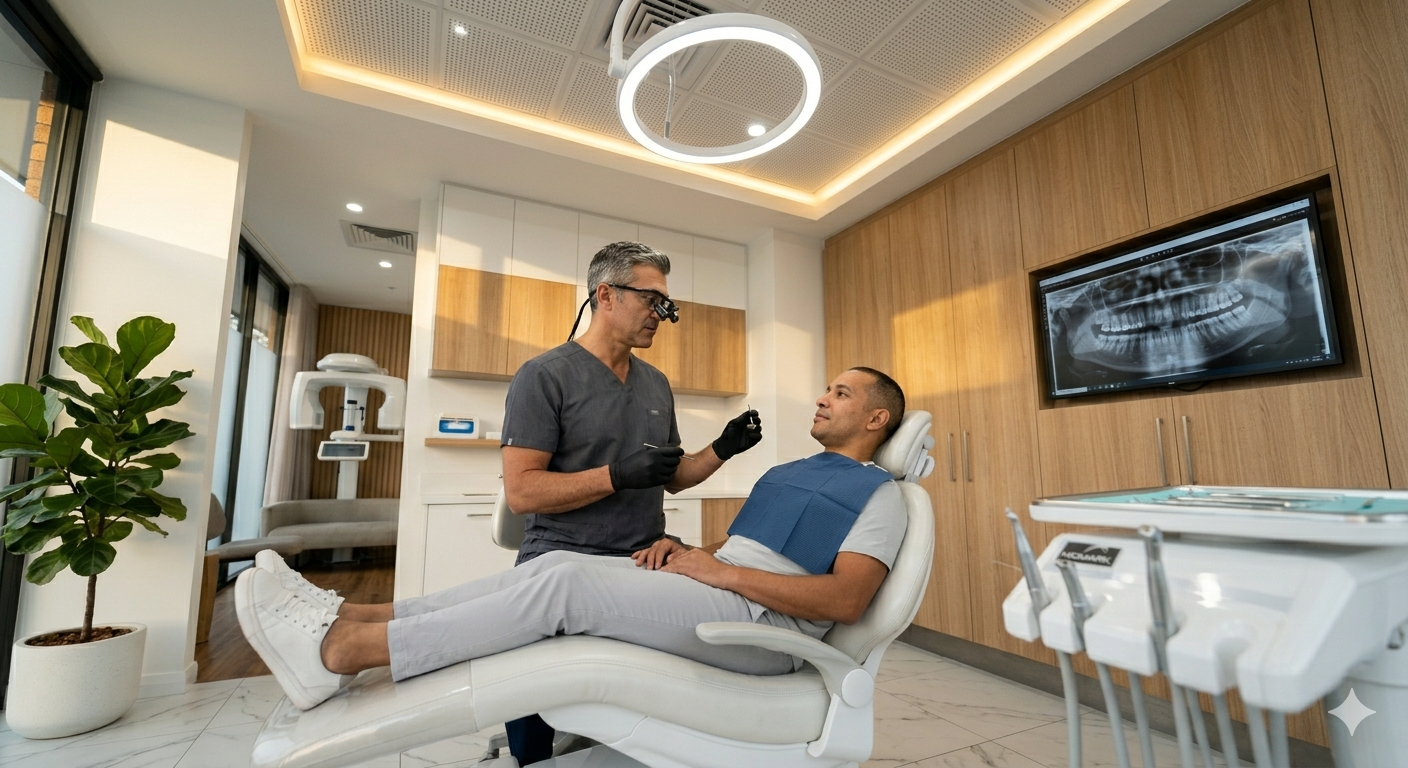
Thinking about a wisdom teeth extraction in Palmdale, CA can feel overwhelming, but you can get clear, local guidance that eases uncertainty and protects long-term oral health. If your wisdom teeth are causing pain, crowding, or infection, timely removal by an experienced Palmdale dental team can prevent bigger problems and speed recovery.
They’ll explain what to expect—from personalized consultation and modern pain-management options to a step-by-step extraction and practical healing tips—so you feel prepared and comfortable. Learn how choosing the right local provider, understanding recovery milestones, and following simple preventive steps can make the process straightforward and well supported.
Understanding Wisdom Teeth
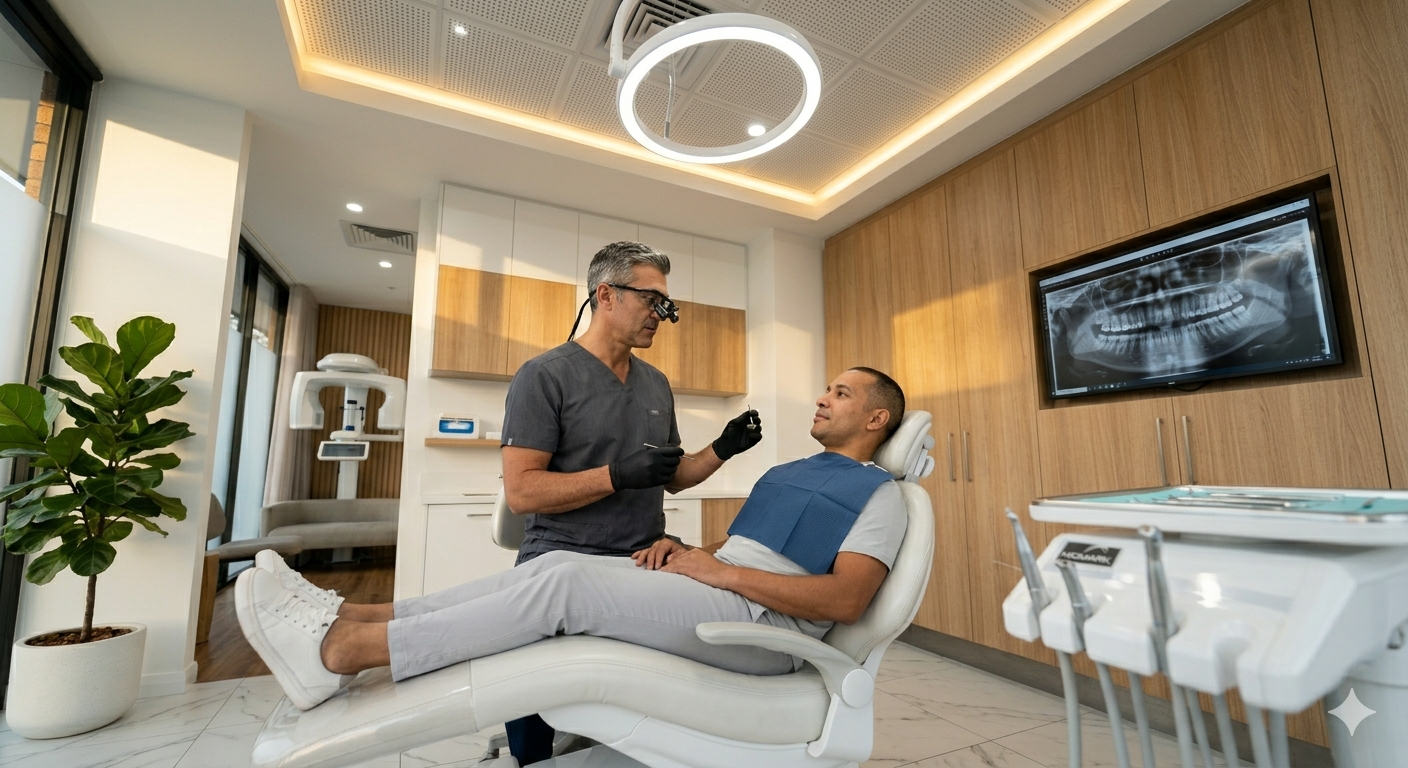
Wisdom teeth are the last molars to erupt and often create space, alignment, or infection issues. This section explains what they are, why they cause problems, and common signs that they need professional attention.
What Are Wisdom Teeth?
Wisdom teeth, or third molars, typically appear between ages 17 and 25. Most adults have four, one in each corner of the mouth, but some people have fewer or none.
They evolved for ancestral diets that required extra chewing, but modern jaws are usually smaller. Because of limited space, wisdom teeth often emerge at angles or only partly through the gum.
A dentist evaluates position with clinical exam and panoramic X-rays. These images show impaction, root shape, proximity to the inferior alveolar nerve, and relationships to nearby teeth—factors that guide whether removal is recommended.
Why Do Wisdom Teeth Cause Problems?
Limited jaw space causes impaction—when a tooth cannot fully erupt. Impacted wisdom teeth press against adjacent molars, which can damage enamel and increase decay risk.
Partially erupted teeth create a flap of gum tissue (operculum) that traps food and bacteria, leading to pericoronitis (gum infection). Recurrent infections can cause swelling, pain, and difficulty opening the mouth.
Crowding and pressure from erupting wisdom teeth can shift neighboring teeth or compromise orthodontic results. Root proximity to nerves and sinus cavities raises complexity and potential for temporary nerve disturbance or sinus communication during extraction.
Common Signs Your Wisdom Teeth May Need Attention
Persistent pain at the back of the mouth, especially when chewing, often signals trouble. Intermittent swelling of the gums near the rear molars or bad breath despite good hygiene are common red flags.
Difficulty opening the jaw fully, repeated infections, or a bad taste in the mouth suggest pericoronitis or abscess. Radiographic findings—impaction, cyst formation, or decay on adjacent teeth—also justify extraction even if symptoms are mild.
A dentist or oral surgeon assesses symptoms, X-rays, and overall oral health to recommend observation, preventive removal, or immediate extraction. They discuss anesthesia options, recovery expectations, and risks tailored to the patient’s anatomy and medical history.
Benefits of Timely Removal
Removing wisdom teeth at the right time lowers the chance of crowding, infection, and damage to nearby teeth. Early removal often means shorter procedures, easier healing, and fewer long-term dental problems.
Preventing Dental Crowding
When wisdom teeth erupt late, they can push against the second molars and shift the alignment of existing teeth. This pressure may undo years of orthodontic work or create new misalignment that requires braces or clear aligners. Dentists assess jaw space with X-rays; if imaging shows limited room, they often recommend removal to protect the bite.
Timely extraction in late teens or early twenties usually takes advantage of softer bone and less-developed roots. That makes surgery less invasive, reduces operating time, and lowers the risk of nerve complications. Patients who act early typically avoid complex impactions and the cost of corrective orthodontics later.
Reducing Infection Risk
Partially erupted wisdom teeth create pockets where food and bacteria collect, increasing chances of pericoronitis and gum infection. Repeated inflammation can lead to chronic bad breath, swelling, and difficulty chewing or swallowing. Dentists look for signs like redness, tenderness, and recurrent infection when advising removal.
Removing problem wisdom teeth eliminates these bacterial niches and reduces recurrent antibiotic use. Early extraction also lowers the chance of developing cysts or abscesses that require more extensive treatment. Postoperative care focuses on pain control, gentle oral hygiene, and short-term antibiotics only when clinically indicated.
Protecting Surrounding Teeth
Impacted wisdom teeth can press on adjacent molars, causing enamel erosion, root resorption, or cavities on the second molar. Such damage often requires fillings, root canals, or even extraction of an otherwise healthy tooth. Dentists evaluate the risk by inspecting X-rays for contact between tooth structures.
Proactive removal prevents this cascade of damage and preserves the integrity of nearby teeth. When removal is performed before significant contact occurs, restorative needs drop and long-term dental costs can be lower. Patients receive tailored treatment plans that consider tooth position, bone health, and proximity to nerves.
Personalized Consultation Process
Patients can expect a focused, step-by-step approach that determines oral health status, explains treatment options, and creates a comfort plan tailored to their needs. The team prioritizes clear information, realistic timelines, and choices that fit each patient’s medical history and lifestyle.
Assessment and X-Rays
The clinician begins with a targeted history review: current medications, allergies, any bleeding disorders, and prior anesthesia experiences. This helps identify risks such as dry socket tendencies or medication interactions that affect wisdom tooth removal.
A clinical exam checks tooth position, gum health, and mouth opening. Panoramic X-rays (OPG) and, when needed, cone-beam CT scans reveal root shape, proximity to the inferior alveolar nerve, and presence of nearby cysts or impacted teeth. Images guide whether a simple extraction or surgical removal is required.
The office documents findings and records baseline photos if needed. They also note airway observations for anesthesia planning. This thorough assessment reduces surprises during surgery and informs a precise treatment timeline.
Discussing Your Options
The clinician explains procedural choices in plain language: local anesthesia with sedation, IV sedation, or general anesthesia. They describe what each option feels like, typical recovery differences, and which choice suits specific medical profiles or anxiety levels.
Risks and benefits get discussed clearly. For example, IV sedation may ease anxiety but requires fasting and a responsible adult to transport the patient. When the nerve lies close to roots, they explain conservative approaches like staged extractions or coronectomy to lower nerve-injury risk.
Cost, appointment length, and expected healing time are outlined. The team invites questions and provides printed or digital materials summarizing the plan so patients can compare options at home and bring family members into the decision.
Building Your Comfort Plan
The practice creates a comfort plan that covers pre-op instructions, medication scheduling, and day-of logistics. This includes fasting windows, which medications to continue or stop, and arrival time for IV access if sedation will be used.
They recommend specific pain-management strategies: a prescription regimen combining an NSAID with an opioid only if necessary, and clear dosing schedules. Ice application, soft-food timelines, and activity restrictions are given in bullet-point form for easy reference.
Post-op communication is planned: a same-day phone check, emergency contact numbers, and follow-up exams at specific intervals. If anxiety is a concern, the office offers relaxation techniques, premedication options, and a familiarization visit to meet the team before surgery.
Step-by-Step Extraction Procedure
This section outlines practical steps patients can expect before, during, and after a wisdom tooth removal in Palmdale, CA. It covers preparation, the sequence of the surgical visit, anesthesia options, common instruments used, and clear post-op care to support healing.
Before Your Appointment
Patients should arrive with a list of current medications and any medical history that might affect anesthesia, such as bleeding disorders, heart conditions, or recent infections. They will typically receive pre-op instructions by phone or email detailing fasting times for sedation and whether to stop certain blood thinners; following these precisely reduces complications.
The clinic will confirm transportation plans if IV sedation or general anesthesia is scheduled, since patients cannot drive afterward. Patients may be asked to wear loose clothing and avoid jewelry. If anxiety is present, the surgeon may prescribe an anti-anxiety medication to take the morning of surgery.
Pre-op imaging — usually a panoramic X-ray — clarifies root position, proximity to the inferior alveolar nerve, and sinus relationships. The surgeon reviews this with the patient, explaining how impaction type influences technique. Any last questions about risks, expected downtime, or costs should be addressed during this visit.
What Happens During Extraction
The surgical team verifies identity, the planned tooth or teeth, and reviews anesthesia options one last time. Local anesthesia is injected near the extraction site to numb tissues; for nervous patients or complex cases, IV sedation or general anesthesia may be administered under monitored conditions.
For covered teeth, the surgeon makes a small incision in the gum and may remove a thin layer of bone with a surgical handpiece. If roots are curved or multi-rooted, the tooth may be sectioned into smaller pieces for gentler removal. The surgeon uses elevators and forceps to extract the tooth fragments while minimizing force on adjacent teeth.
After extraction, the socket is irrigated to remove debris and checked for remaining root fragments. Stitches may be placed; many clinics use dissolvable sutures to avoid a follow-up suture removal. The team places gauze to control bleeding and observes the patient for 20–60 minutes until anesthesia and vitals are stable.
Aftercare Instructions
Control bleeding by biting gently on gauze for 30–45 minutes as directed; if bleeding persists, replace with fresh gauze and apply firm pressure. Avoid spitting, using straws, or vigorous rinsing for 24 hours to reduce the risk of dry socket. Smoking delays healing and raises infection risk; patients should avoid tobacco for at least 72 hours.
Use prescribed pain medications as directed; over-the-counter ibuprofen often controls mild–moderate discomfort when taken at recommended doses. Apply ice packs to the cheek in 15-minute intervals for the first 24 hours to reduce swelling. Keep the head elevated when resting during the first two nights.
Begin gentle saltwater rinses (1/2 teaspoon salt in 8 ounces warm water) 24 hours after surgery, three times daily, to keep the socket clean. Maintain a soft-food diet — yogurt, mashed potatoes, smoothies (no straw) — for several days. Schedule the follow-up appointment as instructed to check healing and remove any non-dissolvable sutures. For persistent severe pain, fever above 101°F, or uncontrolled bleeding, contact the oral surgery office promptly.
Comfort and Pain Management
Patients can expect tailored pain control and anxiety management that prioritize safety and a smooth recovery. Clear options and step-by-step plans help patients know what to expect before, during, and after extraction.
Modern Anesthesia Options
Dentists in Palmdale typically offer three main anesthesia choices: local anesthesia, nitrous oxide (laughing gas), and IV sedation. Local anesthesia numbs only the extraction site using agents like lidocaine; patients remain awake and responsive but feel no pain. Nitrous oxide provides mild sedation and rapid recovery; it reduces discomfort and gag reflex while allowing the patient to breathe on their own.
IV sedation produces deeper relaxation and often partial or complete amnesia of the procedure; it requires monitoring of vital signs and a responsible adult to drive post-op. The clinician will review medical history, current medications, and allergies to choose the safest option. Details discussed include expected onset time, duration, fasting requirements, and post-procedure recovery steps. Fees, monitoring protocols, and whether an anesthesiologist is present are clarified before treatment.
Easing Anxiety and Nervousness
Clinicians combine communication, environment, and medication to reduce anxiety. They explain each step in plain language, show instruments, and offer breaks during the procedure so patients feel in control. For mild nerves, oral sedatives (e.g., low-dose benzodiazepines) taken before the appointment calm patients without requiring IV lines.
Breathing techniques, noise-canceling headphones, and music playlists help distract and relax patients during treatment. For higher anxiety, IV sedation or referral to an oral surgeon who provides deep sedation may be recommended. Aftercare instructions and a clear pain-control plan often reduce pre-appointment worry by letting patients know when to expect pain, how to manage it, and whom to call with concerns.
Healing and Recovery Guidance
Recovery after wisdom tooth removal in Palmdale typically involves swelling, manageable pain, and a gradual return to normal eating and activity. Following specific home-care steps and attending follow-up appointments reduces complications like dry socket and infection.
What to Expect in the First Few Days
Patients often feel numb for a few hours after local anesthesia and should avoid chewing until sensation returns. Swelling usually peaks 48–72 hours after surgery; applying ice packs for 20 minutes on, 20 minutes off during the first 24 hours helps limit swelling.
Pain peaks the first 24–48 hours and responds to prescribed or over-the-counter analgesics; follow the dentist’s dosing instructions exactly. Minor bleeding or oozing is common—bite on gauze for 30–60 minutes and replace as needed. If bleeding soaks through a gauze pad within an hour, contact the office.
Soft, cold foods (yogurt, applesauce, smoothies) are safest for the first 48–72 hours. Avoid straws, smoking, and heavy spitting to protect the blood clot. Light activity is fine after 24 hours, but skip strenuous exercise for 3–5 days to minimize bleeding and swelling risks.
Tips for Faster Healing
Keep the mouth clean to prevent infection: start gentle saltwater rinses (½ teaspoon salt in 8 ounces warm water) 24 hours after surgery, four times daily and after meals. Use a soft-bristled toothbrush and avoid brushing directly over the extraction site for the first few days.
Follow the medication plan precisely—complete any prescribed antibiotics and use pain medicine at recommended intervals to stay ahead of discomfort. Eat protein-rich, nutrient-dense soft foods like scrambled eggs, mashed potatoes, and smoothies with Greek yogurt to support tissue repair.
Attend the scheduled follow-up so the clinician can check healing and remove sutures if needed. Watch for warning signs—fever over 101°F, increasing pain after day three, persistent heavy bleeding, or foul taste/odor—and call the dental office promptly.
Choosing the Right Dental Team in Palmdale
Selecting the right team affects safety, comfort, and recovery time. Look for measurable credentials, clear communication, and practices that prioritize pain control and follow-up care.
Qualifications to Look For
Patients should verify that the surgeon is a licensed oral and maxillofacial surgeon or a dentist with advanced surgical training. Check state licensure, board certification from the American Board of Oral and Maxillofacial Surgery (if applicable), and memberships in professional groups like the American Association of Oral and Maxillofacial Surgeons.
Confirm the clinic’s credentials: current Facility License, ACLS/BLS-certified staff, and documented infection-control protocols. Ask about the surgeon’s experience with impacted third molars and specific techniques (simple extraction, sectioning, or wisdom tooth impaction removal).
Review patient outcomes and before/after cases when available. Request information on sedation options (local, nitrous oxide, oral sedation, IV sedation) and anesthesia providers’ qualifications. Clear pre-op instructions and a written post-op plan indicate organized, patient-focused care.
Benefits of Local, Experienced Care
Choosing a Palmdale team with local experience shortens emergency access and eases follow-up visits. A provider familiar with community referral patterns coordinates with local emergency rooms and primary dentists if complications arise.
Local teams understand regional patient needs, such as common travel distances and typical scheduling constraints. That knowledge helps tailor appointment length, sedation timing, and postoperative check-ins to real-life patient routines.
Experienced local surgeons often maintain relationships with nearby pharmacies and labs, speeding prescriptions and necessary imaging reviews. They can recommend realistic recovery timelines based on local climate, altitude, and typical activity levels, helping patients plan time off work or school.
If interested, contact the Palmdale practice to confirm credentials, ask about sedation types, and schedule a consultation to discuss individualized care and recovery expectations.
Preventing Future Dental Issues
After wisdom tooth removal, maintaining oral health reduces infection, preserves neighboring teeth, and prevents shifting or gum problems. Simple, consistent actions and regular professional care provide the best protection for long-term oral function and comfort.
Importance of Regular Checkups
Patients should schedule dental exams every six months, or more often if the dentist recommends it. These visits let the team monitor healing after extraction, check adjacent molars for decay or damage, and take X-rays to detect hidden issues such as cysts or bone changes.
Professional cleanings remove plaque and tartar in areas that brushing misses, including along the gum line near extraction sites. The dentist or hygienist will evaluate bite alignment and tooth movement; early detection of shifting can lead to simpler interventions like retainers or minor orthodontic treatment.
If symptoms like persistent pain, swelling, or numbness appear, patients must call the office immediately. The practice will assess for dry socket, infection, or nerve irritation and provide targeted treatment—antibiotics, packing, or referral to an oral surgeon if necessary.
Long-Term Oral Health Habits
Brushing twice daily with a soft-bristled brush and fluoride toothpaste prevents decay on molars next to the extraction site. Patients should use gentle circular motions and spend at least two minutes, paying attention to the back teeth where food and plaque collect.
Daily flossing or interdental brushes remove trapped debris between teeth that can cause gum disease. For those with tight contacts near the extraction area, floss threaders or water flossers often work better and reduce the risk of reinjury to healing gum tissue.
Avoiding tobacco for at least two weeks after surgery lowers the risk of dry socket and improves tissue healing. Limiting hard, sticky, or crunchy foods during recovery also protects neighboring teeth and any sutures. Patients should follow any prescribed medications and attend follow-up visits to ensure complete recovery and stable long-term oral health.
Next Steps and Encouragement
They should call the Palmdale clinic to schedule a consultation if they haven’t already. A short appointment lets the dentist review X-rays, discuss anesthesia options, and tailor a plan to their comfort and health needs.
Patients can prepare by listing medications, allergies, and any questions about recovery or work/school time off. Clear instructions about eating, driving after sedation, and arranging a ride keep the day less stressful.
Follow post-op care closely: rest, ice, gentle rinsing after 24 hours, and avoiding straws or smoking. These simple steps reduce swelling, lower infection risk, and speed healing.
If pain, fever, or heavy bleeding occurs, they should contact the office promptly. Modern offices in Palmdale typically offer same-day guidance and emergency contact options for peace of mind.
They may ask about sedation levels, antibiotic needs, or alternatives like staged extractions. The team will explain benefits and risks in plain language to help them decide confidently.
A friendly call or message starts the process and answers lingering worries. Encouraging patients to take that step helps protect their oral health and comfort.
Frequently Asked Questions
This section answers common concerns about pain, anesthesia options, preparation steps, recovery timelines, and warning signs after wisdom tooth removal in Palmdale. It gives specific, practical guidance patients can use before and after their appointment.
How do I know if my wisdom teeth actually need to come out?
Wisdom teeth often need removal if they cause pain, recurrent infections, cysts, or damage to adjacent teeth. X-rays showing impacted or angled teeth, decay that can’t be restored, or crowding are strong clinical reasons for extraction.
A dentist or oral surgeon in Palmdale will assess symptoms, take panoramic or cone-beam x-rays, and discuss risks versus benefits. They will recommend extraction if observation risks future problems more than removal.
What can I expect during the extraction appointment, and will I be awake?
Most patients receive local anesthesia plus an option for nitrous oxide (laughing gas) or IV sedation for comfort. Under local anesthesia alone the patient remains awake but numb; IV sedation produces varying levels of drowsiness or brief memory gaps.
Simple extractions take 20–40 minutes; surgical removals of impacted teeth can take longer and may involve small incisions and sutures. The clinician explains the plan, reviews medical history, and confirms anesthesia choice before starting.
How should I prepare the night before and the day of my procedure?
If receiving IV sedation or general anesthesia, fast for the time specified—usually no solid food for 8 hours and clear liquids up to 2 hours before. Arrange a responsible adult to drive the patient home and stay with them for the first 24 hours if sedation is used.
Stop blood-thinning medications only if the prescribing physician and the surgeon agree. Wear loose, comfortable clothing and avoid jewelry or heavy makeup on the day of surgery.
What does recovery usually feel like, and how long until I’m back to normal activities?
Expect soreness, swelling, and mild to moderate bleeding in the first 48–72 hours, with peak discomfort at 24–48 hours. Over-the-counter or prescribed pain relievers and cold packs reduce symptoms; soft foods and rest help healing.
Most patients return to desk work or school within 2–4 days; vigorous exercise should wait 1–2 weeks depending on the complexity of the extraction. Follow-up visits typically occur within 1 week to check healing and remove any non-dissolving sutures.
How can I prevent dry socket and other common healing problems?
Avoid smoking, using straws, or forceful spitting for at least 7–10 days because suction can dislodge the clot and cause dry socket. Keep the mouth clean by rinsing gently with salt water starting 24 hours after surgery, and follow specific brushing guidance from the surgeon.
Take prescribed antibiotics and use anti-inflammatory medications as directed when the dentist recommends them. Report persistent severe pain, a foul taste, or visible bone in the socket—these signs suggest a complication that needs prompt attention.
When should I call the office after surgery if something doesn’t feel right?
Call the office immediately for uncontrolled bleeding that soaks through gauze after an hour of firm pressure. Also contact them for severe pain not relieved by prescribed medication, high fever above 101°F (38.3°C), or signs of spreading infection such as swelling that worsens or affects breathing.
If numbness persists beyond the expected time or there’s a sudden change in bite or loose sutures, the clinic should evaluate the patient promptly. They will provide next steps and may schedule an urgent follow-up.